


Pain after Root Canal and Crown
Have you recently completed a root canal and crown, but are still feeling some discomfort?
Are you wondering whether the pain you’re experiencing is typical or something that needs attention?
Worldwide, about 15–20 million root canals are performed every year, and research shows that over 40% of patients experience mild to moderate discomfort after the procedure. In India alone, dental pain after treatments such as root canals and crowns remains one of the most common concerns reported in clinical settings.
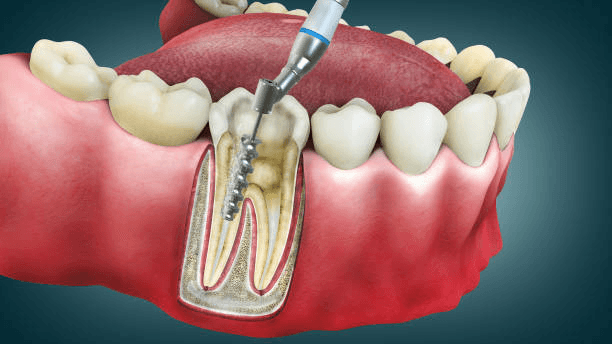
At Neo Dental Care, these patterns are commonly observed by Dr. Suhrab Singh, a distinguished Endodontist in Noida, who brings over a decade of expertise and has successfully performed more than 15,000 root canal treatments.
He says, “Pain after a root canal and crown can occur for many understandable reasons. The key is recognizing whether the pain is part of normal healing or a sign that the tooth needs extra attention. When patients share concerns early, we can guide them in a timely and reassuring manner. There is always a logical explanation behind the discomfort, and early evaluation helps prevent bigger issues later.”
If you’re feeling confused, you’re not alone. Let’s explore what this pain means and how to handle it wisely.
But first, let’s unravel if this is normal and unpack the real reasons behind it.
Pain after Root Canal and Crown - Common Causes Explained
Dr. Suhrab Singh, a root canal specialist in Noida explains, “Feeling some pain after a root canal and crown isn’t unusual. The tooth might be healing, the surrounding tissues could be inflamed, or the new crown may need a minor adjustment. Before worrying, it helps to understand what’s causing the discomfort.”
Here are the most common reasons you may still feel pain:
Inflamed Surrounding Tissue
Even though the nerve inside the tooth is removed, the tissues around the tooth roots can remain irritated for a few days. This inflammation often causes tenderness when chewing or tapping on the tooth.
High or Improper Bite
If the new crown sits a little high, even by a fraction of a millimeter, chewing pressure can irritate the tooth ligaments. This may feel like a sharp or throbbing pain on biting.
Residual Infection
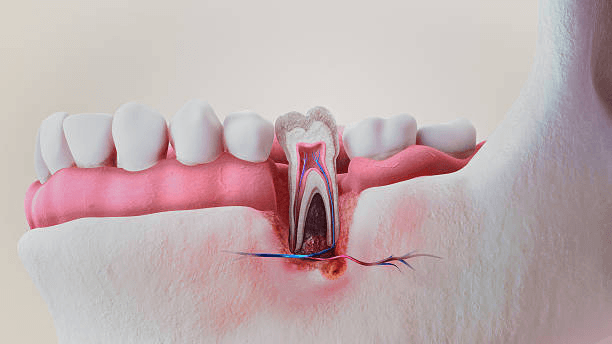
Rarely, some bacteria may persist deep inside the root canals, leading to continued discomfort. This usually requires further evaluation by a root canal specialist for confirmation.
Cracked Tooth Structure
Occasionally, hairline cracks in the tooth—not always visible during treatment—can trigger sharp pain. A crowned tooth can still crack if previously weakened.
Referred Pain from Adjacent Teeth
Sometimes the tooth that received treatment isn’t the actual source of the discomfort. Nearby teeth can radiate pain, making it seem like the treated tooth is the culprit.
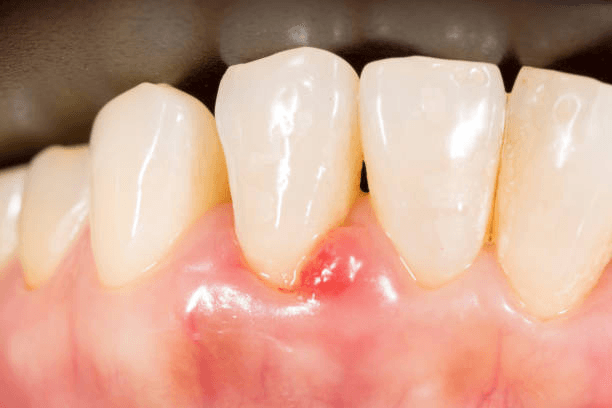
Gum Inflammation around the Crown Margin
The gums might feel irritated if they were slightly disturbed during the crown placement. This typically resolves on its own with gentle cleaning.
Unsure whether your pain feels normal or needs attention? Speak with a dental professional to understand the right next step for your comfort.
Want to know how long this discomfort usually lingers? Let’s look at the expected timeline.
Expected Recovery Timeline after Crown Placement
The healing timeline can vary a bit depending on tissue sensitivity, bite alignment, and how complex the root canal was. Here’s a simple timeline to help you understand what typically happens:
- First 24–48 hours
You may feel mild soreness around the tooth and gums. This is your body responding to the procedure and the new crown placement. Chewing on the treated side might feel slightly tender.
- Days 3–5
Tenderness begins to reduce. Most patients notice that chewing becomes easier, and the discomfort starts settling. A little sensitivity to pressure is still normal.
- End of Week 1
Pain should be noticeably reduced. At this stage, if you still feel sharp pain or sudden zaps when biting, it may indicate a high spot on the crown that requires a small adjustment.
- Weeks 2–3
The tooth and surrounding tissues usually stabilize fully. Any remaining discomfort should be mild and occasional. Persistent pain during this period may require evaluation to rule out issues such as bite imbalance or gum irritation.
- Beyond 3 weeks
Most people feel fully normal by now. If you continue experiencing pain, sensitivity, or uneven pressure, it’s important to get the tooth checked. Early assessment ensures the issue is resolved quickly without complications.
Ready to understand what’s considered a typical recovery window? Keep going.
Steps to Take for Persisting Pain after a Root Canal and Crown
While mild soreness is expected, worsening symptoms can indicate a treatable issue.
Here’s what you can do:
Monitor the intensity
If chewing becomes significantly painful or sensitivity feels unusual, note when and how often it occurs.
Check for swelling or gum tenderness
These signs may indicate inflammation or infection.
Avoid chewing on the affected side temporarily
This prevents unnecessary pressure on the healing tooth.
Contact a dental expert
A skilled clinician can evaluate whether the crown’s bite needs adjustment or if additional treatment is necessary.
As Dr. Suhrab Singh, often called the best dentist in Noida, explains, “Pain that escalates instead of settling is your body’s signal that something needs attention. In many cases, the solution is simple—like shaping the crown or treating gum irritation. What matters is addressing the issue early. Patients often feel relieved once the exact cause is identified and explained.”
If your pain keeps increasing or feels unusual, reach out to a dental professional for timely evaluation and relief.
Let’s wrap it up with the final takeaway you should remember.
Conclusion
Pain after a root canal and crown can be unsettling, but it doesn’t always indicate something serious. Many people—both globally and in India—experience temporary discomfort as tissues heal or adjust. With a dedicated expert like Dr. Suhrab Singh, a highly regarded dentist in Noida, patients receive thoughtful care backed by experience, modern technology, and attention to detail.
Understanding your symptoms, monitoring changes, and seeking timely guidance can help ensure smooth recovery and peace of mind.
Still have questions buzzing in your mind? Let’s answer the most common ones next.
Frequently Asked Questions
A high bite is one of the leading reasons chewing becomes painful. Even a slight height mismatch can place too much pressure on the tooth ligaments, causing tenderness. A simple bite adjustment usually resolves this quickly.
Yes, delayed pain can occur if a tooth develops reinfection or if a crack deepens over time. Evaluation is essential to determine whether retreatment or additional care is required.
Mild cold sensitivity can occur if the gums around the crown are recovering. However, intense or lingering sensitivity may indicate crown leakage or gum recession.
Absolutely! If the crown is too tight near the gumline or too high, it can cause discomfort. Adjusting or reshaping the crown typically solves the problem.
Dental pain can be tricky because it often radiates. A detailed clinical test—including percussion tests and temperature evaluation—helps identify the exact tooth causing trouble.
Experiencing lingering discomfort or unsure about your symptoms? Connect with a qualified dental expert for a proper assessment and relief.
Reference
References:
https://my.clevelandclinic.org/health/treatments/21759-root-canal
Disclaimer: This content is for educational purposes only and should not be taken as medical advice. Always consult with a certified healthcare provider for diagnosis and treatment.