
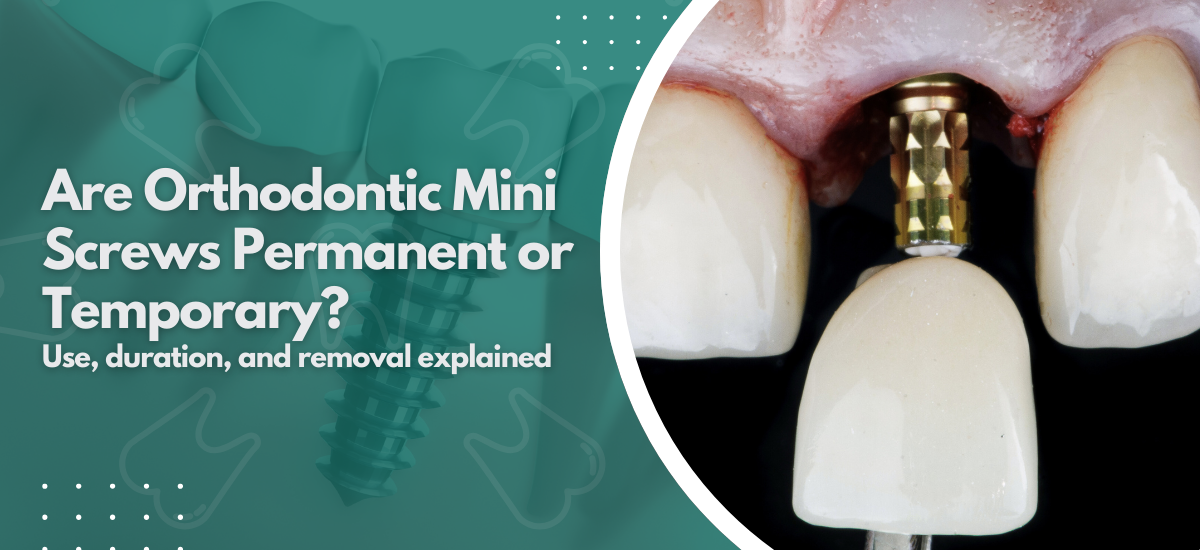
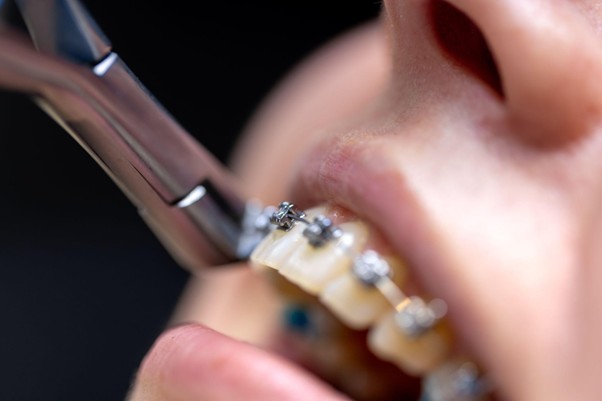
Orthodontic mini screws are becoming more common in modern orthodontic treatment, and many patients ask whether they are permanent. The answer is no. These small titanium screws, known as Temporary Anchorage Devices (TADs), are used only for a limited phase of treatment and are removed once their purpose is achieved. As a Dentist in Noida, Dr. Suhrab Singh recommends mini screws when they help achieve precise tooth movement in areas where braces alone may not be effective.
It’s completely normal to feel unsure about the idea of having screws placed in your mouth. Unlike dental implants, which are designed to last for many years, orthodontic mini screws are meant only for short-term use during specific stages of treatment. In most cases, they remain in place for a few months and sometimes up to a year, depending on the treatment plan, and are removed in a quick and simple process at a trusted Dental Clinic in Noida like Neo Dental Care.
Patients often want to know what orthodontic mini screws are, how long they stay, what placement and removal feel like, and what happens after they are taken out. These are all very common and valid questions. Understanding how mini screws work and why they are used can help you feel more relaxed and confident about your orthodontic journey with Dr. Suhrab Singh at Neo Dental Care.
Confused about mini screws (TADs) or whether they’re right for you? Book a quick orthodontic consultation and get a clear treatment plan.
What Exactly Are Orthodontic Mini Screws And Why Are They Used?
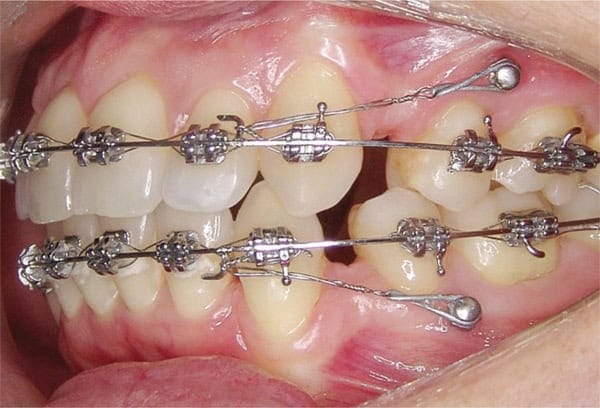
Mini screws are orthodontic mini screws, or temporary Anchorage Devices (TADs), are small titanium screws that we insert temporarily into the jawbone during an orthodontic treatment. They are significantly smaller than dental implants generally, 6, 12 mm in length and 1.2, 2 mm in diameter.
They are not permanents like implants. We employ them as ground points, so when we shift teeth, we do not depend on other teeth for the support of the hold. Thus, it means more control and fewer unwanted movements.
Why use them? Generally, with the help of traditional braces, anchor teeth also get moved along with the rest of the teeth, which is not an ideal situation. While TADs firmly root in the bone, they thus become the most dependable point to pull or push from.
- Open bites closing gaps without surgery
- Molar distalization moving back teeth further back
- Deep bites better vertical control
- Midline corrections fine, tuning alignment
- Molar intrusion pushing teeth further into bone
We connect elastics or springs to TADs and braces. Titanium is a bio-compatible material and these little devices have made some of the hardest orthodontic cases very simple, sometimes even by the elimination of the need of surgery.
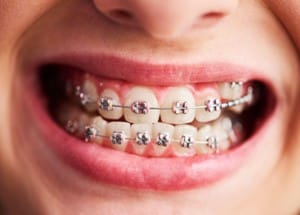
Understanding the Lifespan of Orthodontic Mini Screws
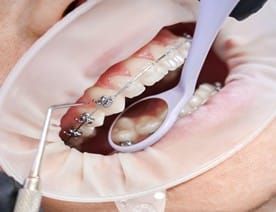
Orthodontic mini screws are temporary. They’re used only during active orthodontic treatment to help move teeth more effectively. Once your teeth are in the right position, the mini screw is simply removed.
Most mini screws stay in place for 3 to 18 months, depending on how complex your treatment is and how your bone responds. Removal is quick, usually painless, and doesn’t require surgery. The area heals naturally within a short time.
What you should know:
Temporary and removable – Orthodontic mini screws are not permanent and are used only during active orthodontic treatment to help move teeth accurately. Once their purpose is fulfilled, they are removed and do not stay in the mouth long-term.
Stay in place for a few months to about a year – Mini screws usually remain in place for a few months and may stay up to about a year, depending on how much tooth movement is needed and how your jawbone responds to treatment.
Easy placement and removal – The placement process is quick and comfortable, as the area is numbed beforehand. Most patients feel only slight pressure and can return to their normal routine the same day.
Bone heals on its own after removal – Once treatment is complete, the mini screw is gently unscrewed in just a few minutes. The process is straightforward and usually causes little to no discomfort.
After Removal of Orthodontic Mini Screws: What Happens?
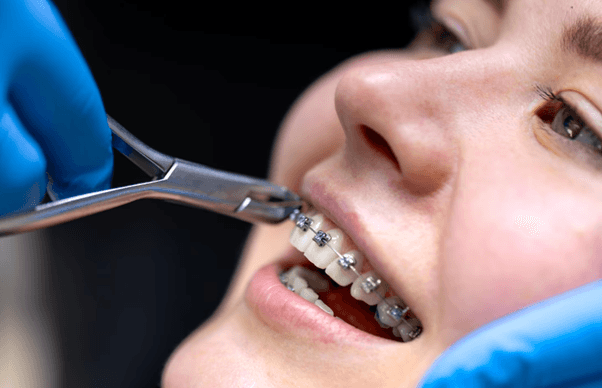
Removing a mini screw is quick; just a twist, and it is out. There is no anesthesia required, and it is less painful compared to insertion.
The small hole in your bone will heal on its own within a few weeks. Your gums will snap back into place within days. Most people feel no problem right after, perhaps a little sore for a day or so, but that is about it.
- Clean the area
- Rinse with salt water if instructed
- Don’t prod at it
- Gently brush around the area
We’ll check the healing of the area at the next appointment. Taking proper oral hygiene care can help avoid complications. Once healed, there is no trace of the screw, and it leaves no scar. Your orthodontic treatments continue as scheduled. If we require additional anchorage, we may decide to place another screw in a different location. You can then go about your normal activities.
If your pain keeps increasing or feels unusual, reach out to a dental professional for timely evaluation and relief.
Frequently Asked Questions
They give us a stable anchor point to move teeth precisely—no need to rely on other teeth for support.
No, they’re temporary and come out after your treatment phase is done.
Placement feels like pressure (not pain) with anaesthesia; removal is quick and usually painless.
Nope—the bone and gum heal up, so there’s no sign left behind.
Anywhere from a few months to about two years, depending on your treatment.