
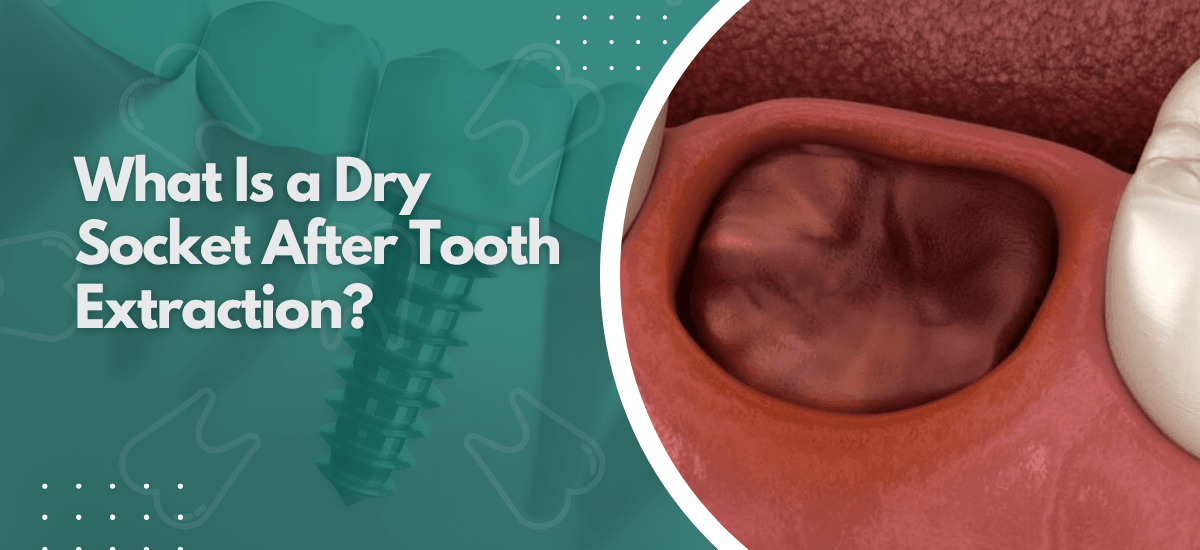
Dry socket happens when the blood clot protecting your extraction site dislodges or dissolves too early, exposing raw bone and nerves to air, food, and bacteria causing severe throbbing pain. This painful complication typically strikes 2-3 days after tooth removal, way worse than normal extraction discomfort, and needs immediate care from a dentist in Noida to prevent infection and speed healing.
Dr. Suhrab Singh, best dentist in Noida with 15,000+ procedures at Neo Dental Care, explains it this way:
“Dry socket’s probably the worst pain patients face after extractions. They’ll call me freaking out because pain suddenly exploded days after surgery when they thought healing was cruising along fine. That exposed bone sends pain signals shooting everywhere, and we need to pack the socket fast to calm things down and kick-start proper healing.”
Need wisdom teeth removed safely? Visit Neo Dental Care for expert care today.
What Are the Main Symptoms of Dry Socket?
Dry socket presents with characteristic symptoms that typically manifest 2-3 days post-extraction, often after the initial post-operative discomfort has begun to subside.
- Severe Throbbing Pain
The hallmark symptom is intense, relentless pain kicking in 2-4 days post-extraction, way beyond normal healing discomfort. We’re talking pain that radiates from the socket up to your ear, eye, temple, or neck on the same side. Regular over-the-counter meds barely touch it. The pain feels different from regular extraction soreness because exposed bone and nerve endings are literally sitting there unprotected, getting poked by everything. - Visible Empty Socket
Peek in the mirror and you’ll spot the problem. Instead of seeing a dark blood clot filling the hole where your tooth was, you’re staring at pale whitish-gray bone sitting exposed at the bottom. Sometimes the socket looks completely empty, other times you catch partial clot breakdown with bone peeking through. That missing clot is your smoking gun for dry socket diagnosis. - Bad Breath and Taste
Your mouth tastes absolutely foul, like something died in there. Bad breath hits hard enough that you notice it yourself, not just people talking to you. This nasty taste and smell come from bacteria partying in the exposed socket, food debris getting trapped where the clot should be protecting things, and early infection starting to brew. No amount of brushing or mouthwash kills it because the source is that open wound. - Radiating Pain Pattern
Pain doesn’t stay put in one spot. It shoots along nerve pathways, sometimes making your whole jaw, ear, or side of your face throb in sync. Patients describe it like electrical shocks or this deep aching pulse that won’t quit. The radiating pattern happens because exposed nerves in the socket connect to bigger nerve branches running through your jaw and face, spreading misery everywhere they reach.
Spotting these symptoms? Don’t tough it out hoping they vanish. Ring up a trusted dental clinic immediately because dry socket treatment brings relief fast, usually within hours of getting the socket properly medicated and packed.
Struggling with impacted wisdom teeth? Schedule your appointment at Neo Dental Care today.
How Is Dry Socket Different From Normal Healing Pain?
Everyone gets some discomfort after extractions, but dry socket’s a totally different beast once you know what separates them.
- Pain Timeline
Normal extraction pain peaks within 24-48 hours then gradually fades as days pass. You’re popping ibuprofen, managing okay, seeing steady improvement. Dry socket flips that script. Pain starts mild initially, you think you’re healing great, then boom, around day 3 or 4 it explodes way worse than right after surgery. That delayed spike followed by escalating intensity screams dry socket, not regular healing. - Pain Intensity
Standard post-extraction soreness feels achy and tender, manageable with regular painkillers and ice packs. Dry socket delivers this savage throbbing that over-the-counter meds can’t touch. Patients rank it among the worst dental pain they’ve experienced, often worse than the original toothache that led to extraction. The intensity comes from exposed bone lacking any protective covering, every temperature shift or air current hitting raw nerve endings. - Response to Treatment
Normal healing pain responds well to standard care like rest, ice, salt rinses, and basic pain meds. Dry socket laughs at home remedies. You need professional intervention, specifically medicated dressings packed into the socket blocking air exposure and numbing those screaming nerves. Within hours of proper packing, pain drops dramatically. That immediate relief from professional treatment versus zero help from home care is a key diagnostic difference. - Visual and Smell Differences
Regular healing shows a dark clot gradually shrinking as new tissue builds underneath, minimal smell beyond slight healing scent. Dry socket displays that telltale exposed bone, empty-looking socket, and absolutely rancid smell you can’t ignore. Your nose knows something’s wrong before your brain catches up. The visual and olfactory red flags combined with pain patterns make dry socket pretty unmistakable once you’ve seen it.
Comparison Factor | Normal Healing | Dry Socket |
Pain Timeline | Peaks 24-48hrs, decreases daily | Mild initially, spikes day 3-4 |
Pain Intensity | Moderate, manageable with OTC meds | Severe, throbbing, OTC meds don’t help |
Pain Location | Stays localized to extraction site | Radiates to ear, temple, jaw, neck |
Socket Appearance | Dark blood clot visible | Empty socket, exposed bone visible |
Odor/Taste | Minimal, normal healing smell | Foul breath, horrible taste |
Response to Treatment | Improves with rest and home care | Needs professional medicated packing |
Knowing these splits helps you decide when normal discomfort crosses into needing urgent care. Neo Dental Care handles dry socket cases same-day, packing the socket with medicated gauze that kills bacteria, blocks air, and delivers numbing relief so you’re not suffering unnecessarily while treatment kicks in.
Why Choose Neo Dental Care for Tooth Extraction and Dry Socket Treatment?
Dr. Suhrab Singh leads Neo Dental Care bringing 12+ years specialized in surgical extractions and post-op complication management. The clinic runs advanced extraction protocols minimizing dry socket risk including careful clot preservation techniques, PRF therapy accelerating healing, laser-assisted extractions reducing trauma. Located inside Neo Hospital, Sector 50, Noida, the facility maintains NABH accreditation. They offer same-day emergency appointments for dry socket cases, use medicated eugenol dressings providing instant pain relief, schedule follow-up packing changes ensuring complete healing. Whether you need a straightforward extraction with preventive care or you’re battling dry socket complications, the team’s experience with 15,000+ procedures means you get expert treatment minimizing pain and recovery time.
Dealing with brutal pain days after extraction that won’t quit? Don’t wait suffering through it. Call +91 97557 12732 right now and let our team pack that socket, kill the pain, and get your healing back on track before infection sets in.
Wisdom tooth pain bothering you? Book your consultation at Neo Dental Care today.
Frequently Asked Questions
Eventually yes, but it takes weeks of severe pain versus days with treatment, plus infection risk skyrockets without professional packing.
Untreated it can rage for 10-14 days, but with proper medicated packing pain drops within hours and resolves in 3-5 days.
Smoking, using straws, vigorous rinsing, spitting, or physical dislodging of the blood clot in the first 72 hours post-extraction.
Yes, avoid smoking, straws, and vigorous mouth activity for 3-5 days post-extraction, follow all aftercare instructions your dentist gives.
References
- American Dental Association. (2023). “Dry Socket (Alveolar Osteitis).” ADA Patient Education Resources. Available at: https://www.ada.org
- National Institute of Dental and Craniofacial Research. (2024). “Tooth Extraction Complications.” NIDCR Clinical Guidelines. Available at: https://www.nidcr.nih.gov