
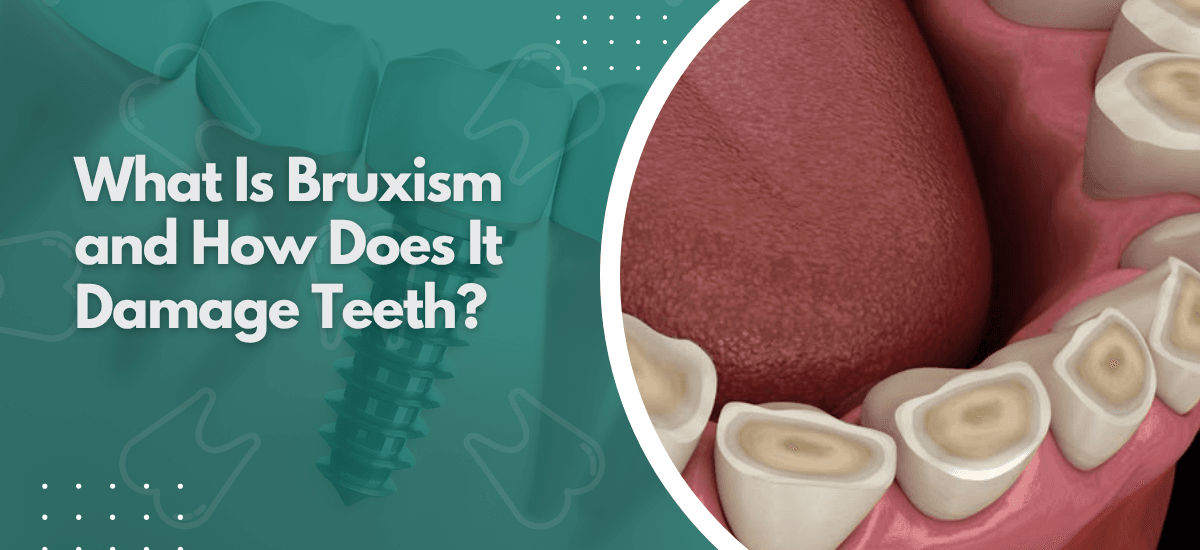
Bruxism is the medical term for teeth grinding, clenching, or gnashing, typically occurring unconsciously during sleep or periods of stress, progressively wearing down enamel, fracturing tooth structure, and causing chronic myofascial pain in the masticatory muscles. The repetitive grinding motion generates occlusal forces significantly exceeding normal mastication, gradually eroding enamel and potentially compromising tooth integrity down to the pulp chamber if left untreated, requiring evaluation from a dentist in Noida to assess severity and implement appropriate intervention.
Dr. Niharika Singh, experienced dentist at Neo Dental Care with 5+ years treating bruxism cases, lays it out:
“Bruxism’s basically your teeth going to war with each other while you’re sleeping or freaking out. Most people don’t even clock they’re grinding till their partner whines about the noise or I spot the obvious wear patterns flattening their molars into pancakes. The damage piles up sneaky over months and years, shaving enamel clean off, carving cracks straight into tooth structure, beating jaw joints senseless till everything’s screaming. Grab it early with a nightguard and we kill the destruction before teeth need crowns or root canals saving what’s left.”
Grinding your teeth at night? Book a consultation at Neo Dental Care today.
What Are the Main Types and Symptoms of Bruxism?
Bruxism ain’t some cookie-cutter deal. It splits into different flavors with their own triggers and red flags helping nail down what’s driving your grinding game.
- Sleep Bruxism
This is the sneaky nighttime grinding happening while you’re completely zonked out. Your jaw muscles fire up randomly during sleep cycles, clenching and grinding teeth together with absolute zero control from your brain. Partners usually hear the grinding racket before you notice squat yourself. You wake up with jaw muscles feeling like you went ten rounds, tension headaches pounding, or teeth tender for no obvious reason. Sleep bruxism ties to sleep disasters like apnea, stress blowing through the roof, and certain meds jacking with your sleep patterns. - Awake Bruxism
Daytime grinding or clenching usually kicks in during deep concentration or stress bombing, often without teeth actually sliding against each other making noise. You might bust yourself clenching hard while working, driving, or dealing with stuff that pisses you off. Unlike sleep grinding broadcasting to the whole bedroom, awake bruxism runs totally silent, just nonstop jaw tension locked and loaded. Tons of people don’t realize they’re doing it till someone points out their jaw’s constantly flexed or a dentist spots wear patterns screaming clenching damage. - Visible Tooth Damage
Your teeth start racking up battle scars from constant grinding warfare. Molars get worn flat losing those natural peaks and valleys nature gave them. Front teeth pick up tiny chips or cracks running along biting edges. Enamel thins enough that yellow dentin shines through making teeth look way more yellow overall. Brutal cases grind teeth so stubby they’re nearly flush with gumline. This visual carnage screams bruxism louder than any complaint you could file, giving dentists instant diagnosis soon as they peek in your mouth. - Jaw and Facial Pain
Your jaw joints and muscles take savage punishment from bruxism beating. TMJ joints get inflamed and sore, clicking or popping when you crack your mouth open. Masseter muscles running along your jawline feel tight, tender, sometimes visibly pumped from overwork like you’ve been chewing rocks. Pain shoots to temples, ears, neck, even shoulders. Morning jaw stiffness where you can barely pry your mouth open signals heavy nighttime grinding sessions. The muscle pain usually outlasts the grinding itself, aching for hours or days after.
Clocking these patterns helps split bruxism from other dental garbage. Getting scoped at a solid dental clinic confirms diagnosis through visual exam, pins down severity based on damage already done, and maps treatment stopping further demolition.
Suffering from bruxism or jaw pain? Visit Neo Dental Care for expert care today.
How Does Bruxism Damage Compare to Normal Wear?
Everyone’s teeth wear somewhat over decades getting used, but bruxism rockets damage way beyond normal aging, creating specific destruction patterns splitting it from regular wear and tear.
- Wear Rate and Pattern
Normal chewing creates baby wear over years, slowly smoothing surfaces while keeping functional tooth shape intact. Bruxism grinds teeth pancake-flat in months or years, obliterating natural anatomy completely. The wear pattern looks dead uniform across grinding surfaces instead of isolated high-contact spots from regular chewing. Savage bruxism can torch more enamel in 5 years than normal aging does in 50, especially hammering molars and canines hardest from maximum grinding force dumping there. - Crack Formation
Everyday chewing rarely cracks healthy teeth unless you chomp something insane. Bruxism creates repetitive stress fractures from constant pressure cycling pounding away. Teeth develop vertical cracks running from biting surface diving toward roots, horizontal fracture lines slicing across cusps, or complete fractures splitting teeth clean apart. These cracks start microscopic but crawl deeper over time, eventually hitting pulp chamber sparking infection or tooth death demanding root canals or yanking the whole thing. - Enamel and Dentin Exposure
Normal wear keeps pace with secondary dentin formation protecting the pulp as enamel thins naturally. Bruxism smokes past your body’s protective response, grinding through enamel exposing dentin before secondary dentin builds decent protection. Exposed dentin brings sensitivity to temperature and pressure slamming you, plus jacked decay risk since dentin’s way softer than enamel. Nightmare cases grind straight into pulp chamber directly, killing the nerve and triggering abscess without cavity ever popping up first. - TMJ and Muscle Damage
Regular chewing exercises jaw muscles chill within normal ranges. Bruxism overloads everything past design limits into the red zone. TMJ cartilage breaks down from excessive pressure bombing, joints turn arthritic, discs slip out of position causing locking or catching garbage. Muscles develop trigger points, chronic inflammation, sometimes hypertrophy from constant overwork making your jawline look squared off and bulky like a cartoon character. The structural damage to joints and muscles usually sticks around even after grinding quits, demanding physical therapy or surgery fixing mechanical disasters.
Understanding these damage splits helps gauge treatment urgency. Neo Dental Care uses intraoral cameras and wear analysis documenting bruxism damage severity, cranks out custom nightguards protecting teeth from further grinding, coordinates with sleep specialists when sleep disorders drive grinding, offers treatment repairing existing damage through crowns or bonding piecing things back together.
|
Comparison Factor |
Normal Wear |
Bruxism Damage |
|---|---|---|
|
Wear Rate |
Baby amounts over decades |
Rapid, years to brutal damage |
|
Wear Pattern |
Isolated contact spots |
Uniform flattening everywhere |
|
Enamel Loss |
Gradual, body keeps up |
Fast, smokes past body’s protection |
|
Crack Formation |
Rare in healthy teeth |
Common, progressive stress fractures |
|
Sensitivity |
Minimal, tolerable |
Savage from exposed dentin |
|
Jaw Symptoms |
None or mild aging stuff |
Chronic pain, TMJ chaos |
|
Treatment Need |
Monitoring, prevention |
Urgent nightguard, damage repair |
Why Choose Neo Dental Care for Bruxism Treatment?
Dr. Suhrab Singh runs Neo Dental Care packing 12+ years specialized in treating bruxism and TMJ disasters. The clinic cranks out custom hard acrylic nightguards fitting precisely to your bite blocking grinding damage, offers soft nightguards for mild cases or TMJ sensitivity, provides Botox injections for masseter muscles cutting grinding intensity in severe cases. Planted inside Neo Hospital at Sector 50, Noida, the spot maintains NABH accreditation. They coordinate with sleep medicine specialists when sleep apnea drives bruxism, repair existing damage through composite bonding or crowns restoring tooth structure, teach stress management and jaw relaxation techniques backing up nightguard therapy. Whether you’re wrestling mild nighttime grinding needing simple protection or savage bruxism demanding comprehensive care, the team’s history with 15,000+ procedures guarantees you get treatment killing damage and managing symptoms.
Waking up with jaw feeling like you got punched and noticing teeth getting stubby? Don’t sit around till teeth crack or nerves die. Hit up +91 97557 12732 right now and let our team fit you with a custom nightguard stopping the grinding before permanent damage torches your smile.
Teeth grinding affecting your smile? Schedule your appointment at Neo Dental Care today.
Frequently Asked Questions
Sometimes if temporary stress sparked it, but chronic bruxism usually needs intervention like nightguards because grinding becomes an ingrained habit your brain won’t ditch solo.
Sore jaw muscles waking up, worn-down teeth your dentist spots, partner hearing grinding racket, or random headaches all signal nighttime bruxism hammering away.
Nope, it protects teeth from damage while you grind but doesn’t kill the grinding itself, tackling underlying stress or sleep garbage helps cut grinding frequency.
Eventually yeah, brutal untreated bruxism can grind teeth down to gumline, crack them past repair, or wreck supporting bone leading to tooth loss.
References
-
-
-
- American Dental Association. (2023). “Teeth Grinding (Bruxism).” ADA Patient Education Resources. Available at: https://www.ada.org
- National Institute of Dental and Craniofacial Research. (2024). “TMJ Disorders and Bruxism.” NIDCR Clinical Guidelines. Available at: https://www.nidcr.nih.gov
-
-