
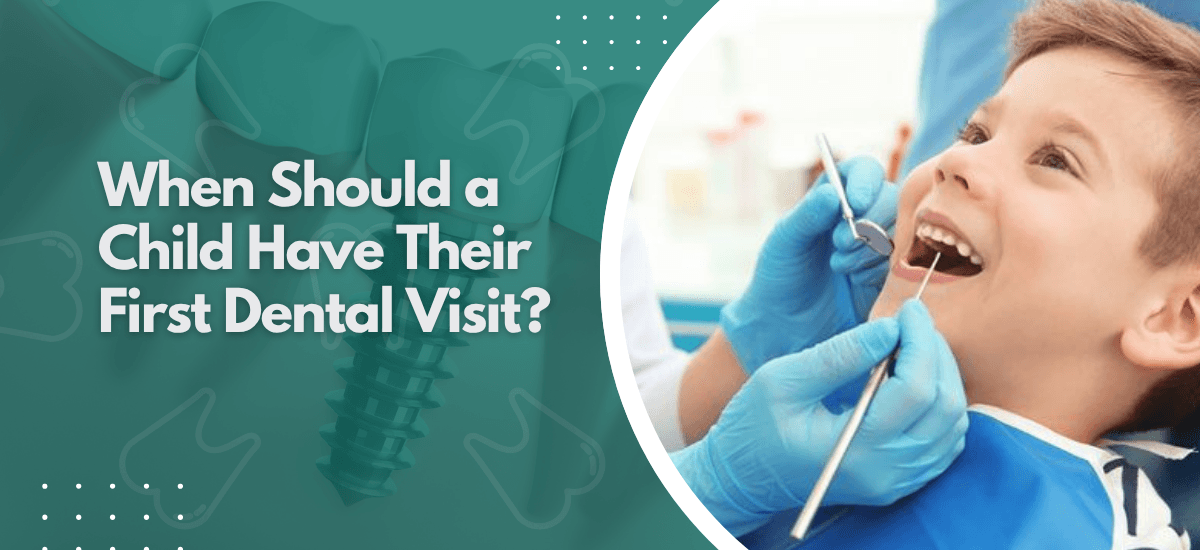
Most parents assume dental visits begin when a child is old enough to sit still in a chair and follow instructions. The clinical recommendation is significantly earlier. Professional guidelines from paediatric dentistry organisations globally recommend that a child’s first dental visit should occur by 12 months of age, or within 6 months of the first tooth appearing whichever comes first.
According to Dr. Suhrab Singh, a dentist at Neo dental clinic in Noida,
“Parents often think the first dental visit can wait until a child has most of their teeth or starts school. The first visit is not about treatment. It is about assessment, guidance, and establishing a routine before any issues develop. A one-year-old’s dental visit takes ten minutes and sets the foundation for how that child relates to dental care for the rest of their life. That is not a small thing.”
Ready to book your child’s first dental assessment?
Why Does the First Dental Visit Matter So Early?
The recommendation for an age-one dental visit is not arbitrary. It is grounded in specific clinical realities about how quickly dental problems develop in young children and how much more effectively they can be managed when identified early.
- Baby teeth are vulnerable from the moment they erupt: As soon as a tooth appears in the mouth, it is exposed to bacteria and dietary sugars.
- Caries risk assessment changes the prevention plan: Not all children carry the same risk. A child who is being put to sleep with a bottle of milk, whose parents have active cavities, or who has visible plaque on their first teeth needs a different level of early intervention than a low-risk child.
- Anticipatory guidance prevents the most common problems: The first visit is largely a conversation with the parent. Safe feeding practices, cleaning routines for infant teeth, fluoride use, pacifier and thumb-sucking habits.
- Familiarity prevents dental anxiety in later childhood: Children who are introduced to the dental environment before they have any pain or fear associated with it develop a fundamentally different relationship with dental care.
All first paediatric visits at Neo Dental Care are structured as gentle, child-friendly assessments with no clinical instruments unless the child is comfortable, and parents receive a full written summary of their child’s oral health status and home care recommendations, which is why families in Noida with young children choose our kids dentistry in Noida service for this important milestone.
What Should Parents Know Before and After the First Visit?
The first dental visit is straightforward when parents understand what to expect and how to prepare for it. Several practical points make a significant difference to the experience.
- What the first visit actually involves: The visit is primarily an oral examination, not a cleaning or any procedure. The dentist inspects the erupted teeth, gum tissue, and palate for developmental anomalies, signs of caries, or anything requiring monitoring.
- How to prepare a child for the visit: Positive framing in the days before the appointment makes a measurable difference. Avoid using words like pain, injection, or drill even in the context of reassurance the child registers the words, not the intent.
- What to bring and what to tell the dentist: Parents should inform the dentist about any medications the child takes, any history of allergies, feeding method, current oral hygiene routine, and any concerns about tooth position, colour, or the presence of white spots on the teeth.
- How often to return after the first visit: The recall schedule is set at the first appointment based on caries risk. Most children benefit from a visit every 6 months. High-risk children may be seen every 3 to 4 months for the first few years.
Understanding the common dental problems that arise in children when early visits are missed, and how quickly they escalate from minor to significant, is covered in our blog on 9 common dental problems.
Child’s Age | Key Dental Milestone | Action Required |
Birth to 6 months | Pre-tooth gum care | Clean gums with damp cloth after feeds |
6 to 12 months | First tooth erupts | First dental visit within 6 months of eruption |
12 months | Age-one dental visit | Full oral assessment, caries risk, parent guidance |
18 to 24 months | Multiple primary teeth present | Second visit, hygiene review, fluoride if indicated |
3 years | Full primary dentition | First full cleaning, bite assessment, dietary review |
6 to 7 years | First permanent molars erupt | Fissure sealants, monitoring of permanent tooth development |
Why Choose Dr. Suhrab Singh at Neo Dental Care?
Dr. Suhrab Singh leads the paediatric dentistry programme at Neo Dental Care, Noida, within the NABH-accredited Neo Hospital, supported by Dr. Anusha Dixit, MDS Paediatric and Preventive Dentistry. The clinic is equipped with child-sized dental chairs, a child-friendly environment, and a specific protocol for first paediatric visits designed to build comfort before any clinical work begins.
Frequently Asked Questions
The first dental visit should be scheduled by 12 months of age or within 6 months of the first tooth appearing, whichever comes first. Most professional guidelines globally align on this recommendation to enable early caries risk assessment and preventive guidance.
The first visit is primarily a gentle oral examination to check tooth development, assess caries risk, and review oral hygiene practices with the parent. No treatment is performed unless an immediate concern is found. The visit is designed to build familiarity and comfort, not to carry out procedures.
Baby teeth hold space for permanent teeth, support jaw development, and are essential for speech and eating. Early childhood caries is the most common chronic disease in children and is largely preventable when identified and managed from the first year of life.
Every 6 months is the standard recommendation for most children. Children assessed as high caries risk may require more frequent visits. The dentist establishes an appropriate recall schedule at the first appointment based on the individual child.