
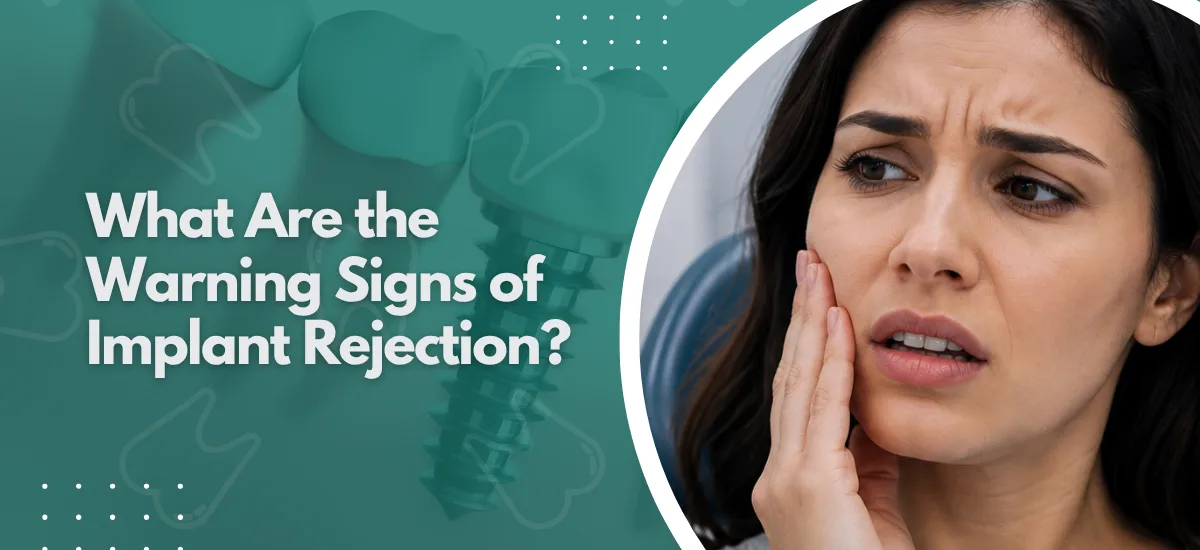
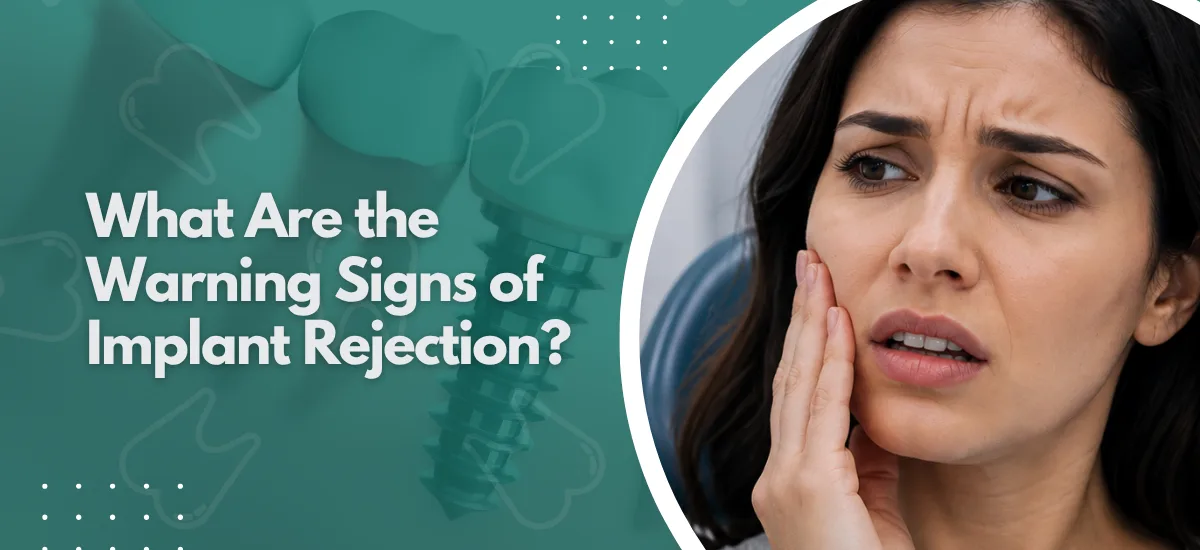
A few symptoms tend to signal genuine trouble with a dental implant. These include pain that worsens instead of easing after the first few days, a post that feels loose or moves when touched, and gums that stay swollen or red instead of settling. Discharge or a bad taste near the site matters too. So does pain specifically while chewing. Not something to wait out. None of these need to appear together. Any one on its own is reason enough to get checked. Most point to a condition called peri-implantitis, an infection around the implant that differs from the mild swelling expected right after surgery. Identifying it early often makes the difference between saving the implant and losing it.
According to Dr. Suhrab Singh, one of the Best Dentist in Noida, “Patients often find it hard to tell normal healing discomfort from an actual complication, and that’s understandable. I take three signs seriously: pain that increases rather than settles, noticeable looseness, and any discharge. Swelling in the first few days is expected. Swelling past two weeks isn’t.”
Which Symptoms Actually Indicate a Problem With an Implant?
Some symptoms are expected after surgery. Others aren’t. The distinction matters clinically.
Escalating pain: Mild discomfort during the first few days after surgery is normal. Pain that increases after the first week isn’t. Neither is pain that returns after initially improving. Both need evaluation.
Mobility or looseness: A healthy implant should feel completely stable. So any movement you can feel, whether by tongue or fingers, means bone integration is failing.
Persistent gum inflammation: Some redness right after surgery is expected. Gums that stay swollen, tender, or red for more than two weeks usually point to an active infection.
Discharge or bad taste: Pus, an unusual odor, or a persistent bad taste near the implant site are all signs of infection. Each one warrants prompt evaluation.
An assessment for dental implant treatment in Noida can determine whether these symptoms indicate peri-implantitis or another, more manageable condition.
What's the Difference Between Normal Healing and Implant Failure?
Timing and trajectory are what actually separate the two. Patients are often surprised how early that distinction becomes clear. Not guesswork, just observation over time.
The first week: Some swelling, mild discomfort, and minor bleeding are typical during this period. They generally improve day by day.
Weeks two through six: By this stage, pain and swelling should be steadily decreasing. Symptoms that plateau or worsen during this window need attention.
Chewing discomfort: Mild sensitivity while chewing shortly after the crown is placed can be normal as the bite settles. But persistent or sharp pain while chewing is not.
Radiographic bone loss: Progressive bone loss on imaging is a less common but more serious sign. It often shows up without visible gum inflammation and needs a dentist’s evaluation.
Implant failure is often preventable at the planning stage. Our earlier post on how digital implant planning reduces the risk of failure explains how 3D imaging improves outcomes before surgery.
Why Choose Dr. Suhrab Singh for Implant Care in Noida?
Dr. Suhrab Singh has practiced implant dentistry in Noida for over twelve years. He holds an MDS qualification and received the National Quality Achievement Award for Best Dentist in Noida in 2020. Not a side specialty. Implant care is central to his practice.
Every implant patient receives a clear timeline of expected healing versus warning signs before leaving the clinic. Cases involving previous implant failure are evaluated using CBCT imaging to identify the underlying cause. Call +91 9818872732 to book your consultation.
Frequently Asked Questions
Usually within the first few weeks. Peri-implantitis can also develop months or years later.
Yes, for about the first week. Swelling that persists beyond that should be evaluated.
Often, yes. Early stage peri-implant infection generally responds well to prompt treatment.
It can usually be removed and replaced once the underlying cause is addressed.
Disclaimer
This blog is for educational purposes only and is not a substitute for a professional dental evaluation. See a dentist promptly if you notice pain, looseness, or discharge around an implant.