
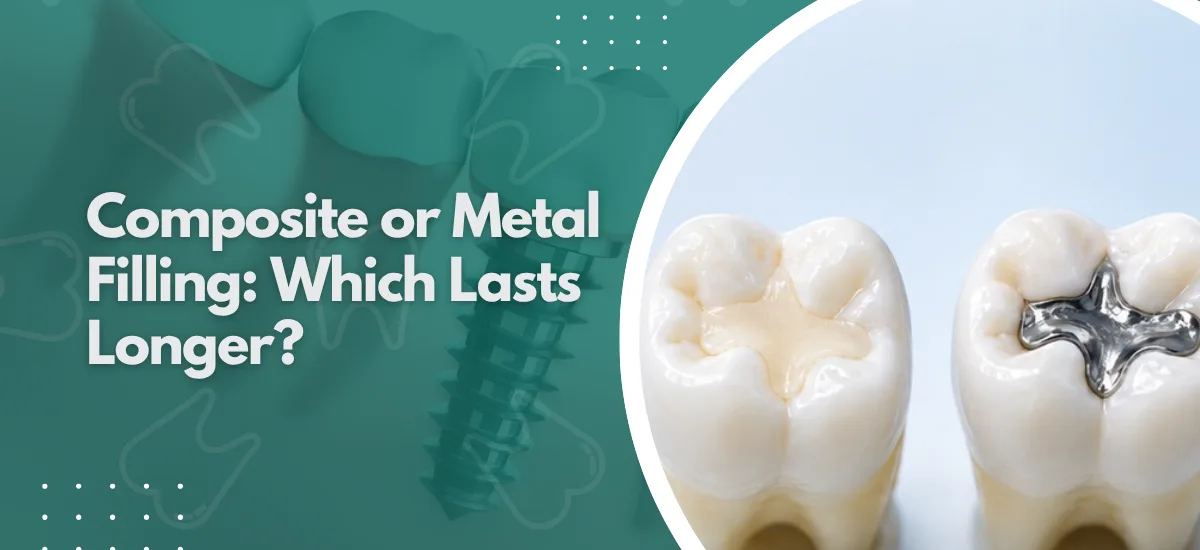
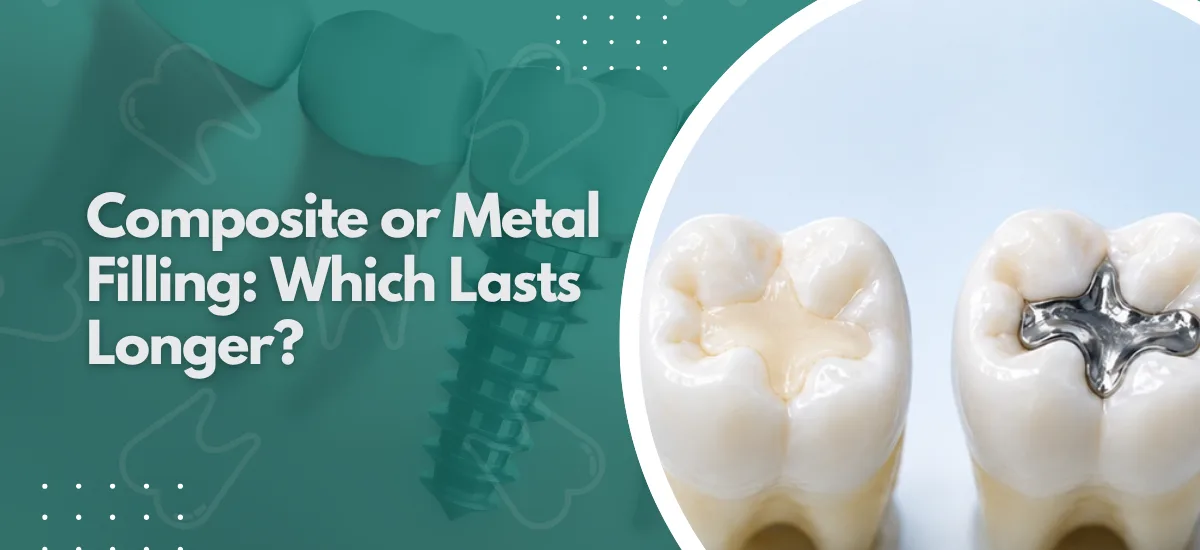
Metal fillings generally outlast composite ones. Not by a small margin, either. An amalgam filling can hold up for ten to fifteen years, and some go the distance for thirty. Composite fillings average closer to five to ten years. The gap comes down to force. Metal simply tolerates heavy chewing pressure better than resin does.
According to Dr. Suhrab Singh of Neo dental hospital in Noida, “Patients often ask which filling is stronger, and the honest answer is metal, most of the time. Amalgam handles heavy biting force well and rarely chips or wears through. Composite looks better and bonds directly to the tooth, but it isn’t built for the same load. The right choice depends on which tooth we’re filling and how hard that patient bites.”
Why Do Metal Fillings Typically Outlast Composite Ones?
The material itself explains most of the difference. Not the brand, not the dentist. The material.
Bite force resistance: Amalgam is a metal alloy. It absorbs and distributes heavy chewing force without cracking. Composite resin is strong too, but it tends to wear down faster under repeated pressure on back teeth.
Wear pattern over time: Metal fillings resist surface wear even after a decade of use. Composite can develop small chips or rough edges sooner, especially in molars that do most of the grinding.
Bonding and shrinkage: Composite bonds directly to the tooth using a light cured resin. That bond can shrink slightly over the years. This small shrinkage sometimes creates gaps where decay sneaks back in.
Moisture sensitivity during placement: Amalgam tolerates a slightly damp field better while it’s being placed. Composite needs a dry surface, and any moisture during bonding can shorten its lifespan.
A full consultation covering all the material options happens before any filling actually gets placed.
Does That Mean Composite Is the Wrong Choice?
Not necessarily. Longevity is only one part of the decision.
Aesthetics: Composite matches natural tooth color closely. Amalgam stays silver forever, which matters most for front teeth and visible molars.
Tooth preparation: Composite requires removing less healthy tooth structure than amalgam. So more of the natural tooth stays intact.
Mercury content: Amalgam contains mercury bound within the alloy. Some patients prefer avoiding it, even though it’s considered safe by most dental associations.
Cavity size and location: Small to medium cavities on front teeth usually favor composite. Large cavities on molars, especially ones bearing heavy bite force, often favor metal.
The same material versus durability trade-off comes up with crowns too. It’s covered in how zirconia and PFM crowns compare on longevity.
Why Choose Dr. Suhrab Singh for Filling Treatment in Noida?
Dr. Suhrab Singh, an expert in cosmetic dentistry in Noida, has placed and replaced thousands of fillings over more than a decade. He holds an MDS qualification and evaluates bite force and cavity size before recommending a material.
Every filling decision weighs longevity against appearance and tooth preservation. It’s rarely just one factor. Call +91 9755712732 to book your consultation.
Frequently Asked Questions
Often, yes. Amalgam averages ten to fifteen years versus composite’s five to ten.
Sometimes, with careful bonding and good hygiene, but metal still holds the edge.
Yes. Major dental associations consider bonded amalgam mercury exposure clinically insignificant.
Metal usually, since molars bear the most chewing force daily.
Disclaimer
This article explains general longevity patterns for metal and composite fillings and does not substitute a professional dental evaluation. Please consult a dentist to determine the right filling material for your specific tooth.