
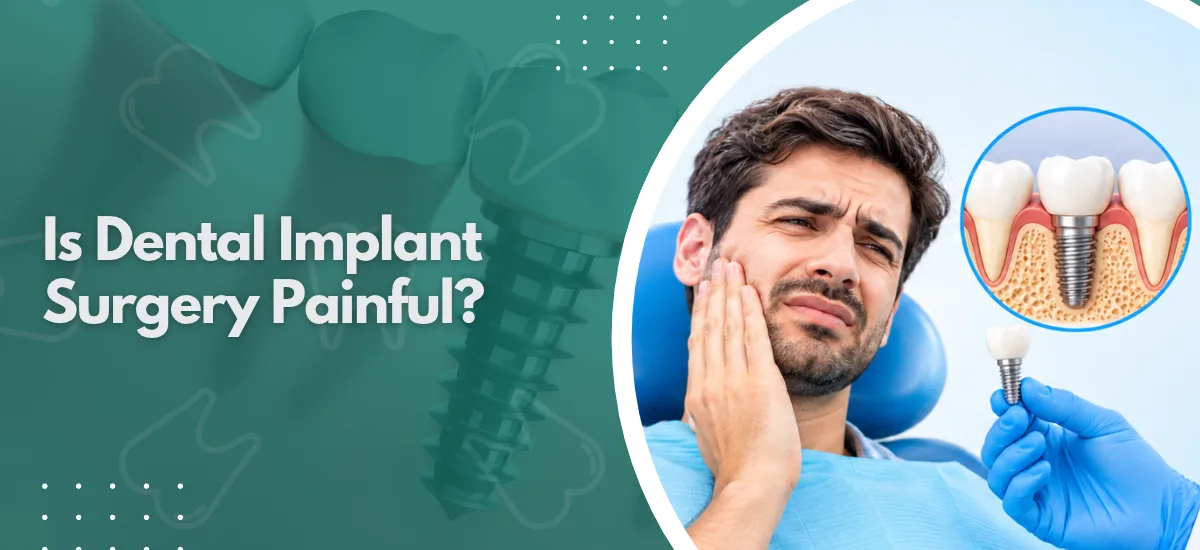
The procedure itself shouldn’t hurt. Your dentist numbs the area with a local anaesthetic first, so you feel pressure and vibration but no sharp pain. The soreness comes afterwards, and the medicines you’re given usually keep it manageable.
According to Dr. Suhrab Singh, Dentist in Noida, “Most patients are surprised by how little they feel during the surgery. The numbness is complete, and any soreness afterwards is something we plan for and treat.”
Does Dental Implant Surgery Hurt While It Is Being Done?
So, is dental implant painful? Not while it’s being done. Nothing begins until the area is numb. If it fades midway, the dentist adds more.
- Local Anaesthetic: First comes a numbing gel on the gum, then the injection. You’ll feel a short pinch, then the area goes numb.
- What You Will Feel: You’ll notice pressure, a vibration from the drill and now and then some tapping. None of it should be sharp. If it is, raise your hand and the dentist adds more anaesthetic.
- Sedation Options: Dental visits make some people sweat. If that’s you, ask about oral sedation or laughing gas. You stay awake, just calmer.
- How Long It Takes: For one implant, plan on about an hour. Several implants, or a bone graft, take longer.
This page on dental implant treatment in Noida explains how it is done.
How Much Pain Is Normal After Implant Surgery?
It begins as the anaesthetic fades. Most people describe dental implant surgery pain as a dull ache rather than a sharp one, and it fades over a few days.
- The First 24 Hours: You’ll probably have a sore cheek and some puffiness. A little blood in the saliva is nothing to worry about. Take your painkiller before the numbness fully goes.
- Days Two and Three: Your face may look puffier than it did yesterday. You may also see bruising on the jaw. A cold pack on the cheek for ten minutes, a few times a day, brings it down.
- By the End of the Week: Around the one-week mark you’ll likely feel nearly normal. The spot may ache a little when you chew. Stitches, if there are any, either melt away or come out at the check-up.
- What Adds to the Pain: A bone graft, a sinus lift or a tooth taken out on the same day will make the recovery rougher. The dentist can tell you beforehand if that’s likely in your case.
Pain that rises after day five or six isn’t part of normal healing. Signs of trouble are covered in this guide to the warning signs of implant rejection.
How Can You Make Implant Surgery More Comfortable?
You can do a few things to make the whole experience easier on yourself.
- Get a Proper Scan First: Ask for a 3D scan before surgery. It shows where the nerves and bone sit, so the dentist knows where it’s safe to place the implant.
- Tell the Dentist If You’re Anxious: If you’re dreading the appointment, tell the dentist. Short pauses, some music or mild sedation can all be arranged.
- Eat Soft Food: For the first few days, stick to things like dal, khichdi, curd and soup. Hot, spicy and crunchy food can wait a week.
- Follow the Aftercare: Take every medicine on time and keep the area clean, but don’t scrub it. Cigarettes slow down healing, so leave them alone until the gum has settled.
A scan is the first step in planning. Here is why a CBCT scan before implants matters.
Key Takeaways: You shouldn’t feel pain during the surgery, because it’s done under local anaesthetic. Soreness and swelling afterwards are normal and mostly gone in a week. Soft food and your dentist’s aftercare advice keep it that way.
Frequently Asked Questions
Many people say the two feel about the same, and some say the implant was easier. It depends on the tooth and bone, so ask your dentist.
No. Local anaesthetic is enough for most people. Sedation is an option if you’re anxious or having several implants.
Most people feel fine again after a week. The gum near the implant may stay a little tender for a few days more.
Call if the pain is still rising after the first few days. Fever, heavy bleeding or pus need a call straight away.
Disclaimer
This blog is for educational purposes only and is not a substitute for a professional dental evaluation.