
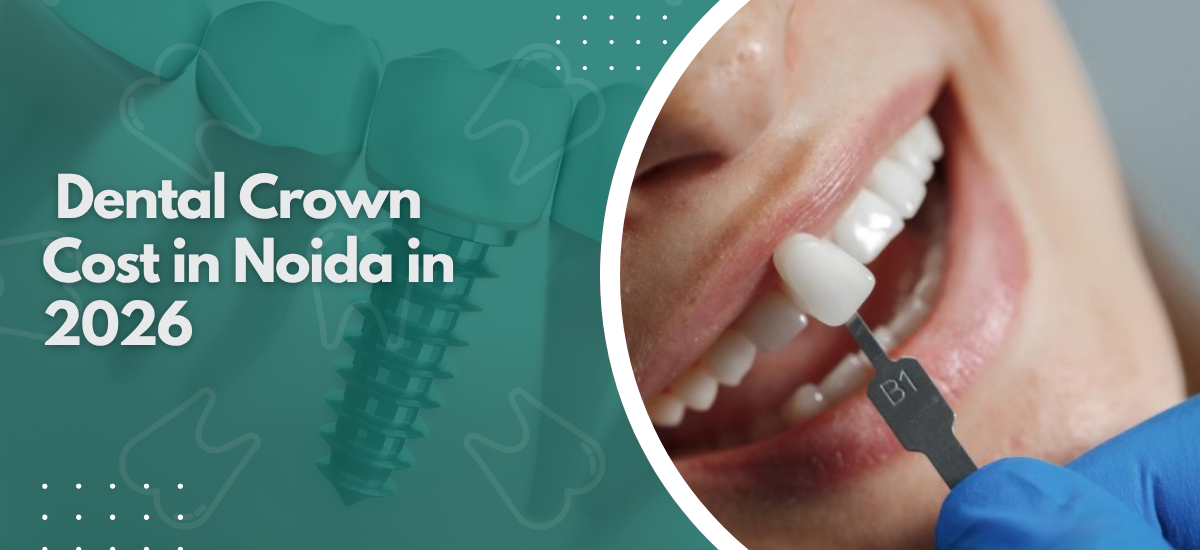
Dental crown cost in Noida in 2026 ranges from approximately Rs 3000 for a basic metal crown to Rs 20000 or more for a full ceramic zirconia crown depending on the material selected, the tooth being treated, and whether additional procedures like root canal treatment are required before the crown can be placed. The final cost is determined at clinical assessment rather than quoted as a fixed price because the treatment required varies considerably between patients even for the same type of crown.
According to Dr. Suhrab Singh, renowned dentist in Noida, “the cost of a dental crown depends on what the tooth actually needs before the crown goes on as much as it depends on the crown material itself, and patients who compare quotes without accounting for those clinical variables often find the final bill looks different from the initial number they were given.”
What Determines the Cost of a Dental Crown in Noida?
Several clinical and material factors drive the final cost and understanding them changes how a crown quote should be evaluated before committing to treatment.
Crown Material: Metal crowns are the least expensive option at Rs 3000 to Rs 5000 and are strong but visible, while PFM crowns which are metal with a porcelain facing cost Rs 5000 to Rs 10000, and full ceramic or zirconia dental crowns cost Rs 12000 to Rs 20000 or more and offer the best aesthetics with no metal component that can show at the gumline over time.
Tooth Location: Front teeth require better aesthetic matching and more precise shade work than back teeth which carry more load and prioritise strength, and the lab fabrication cost for an anterior crown is typically higher than for a molar crown of the same material because of the additional work needed to match the surrounding teeth accurately.
Root Canal Treatment Before Crowning: A tooth that is severely decayed, infected, or previously root canal treated requires the root canal to be completed before the crown is placed, and the cost of the root canal adds Rs 3000 to Rs 8000 depending on the tooth and number of canals on top of the crown cost itself.
Post and Core Build-Up: When a tooth has lost significant structure due to decay or fracture a post and core build-up is needed to create enough tooth structure for the crown to grip, and this adds Rs 2000 to Rs 4000 to the overall treatment cost before the crown fabrication even begins.
Laboratory and Technology Used: Digital crowns fabricated using CAD/CAM technology or milled from high quality zirconia blocks carry a higher lab cost than conventionally cast crowns, and clinics using premium ceramic laboratories in major cities charge more for the material than those using local labs regardless of how the crown looks at a glance.
For patients who’ve had root canal treatment and need a crown placed promptly, understanding that the crown is a clinically necessary step rather than an optional cosmetic addition prevents delays that can lead to root canal treated teeth fracturing before they’re protected.
What Are the Different Crown Types and Which Is Right for Which Patient?
The right crown material depends on where the tooth sits, what the patient prioritises, and what the clinical condition of the tooth actually supports.
Metal Crowns: The strongest option and the least expensive but fully visible on back teeth, which makes them suitable for patients prioritising durability over aesthetics on molars that aren’t visible when smiling and where bite forces are highest.
PFM Crowns: Metal fused with porcelain gives reasonable aesthetics at a mid-range price and handles bite forces well, but the metal margin can show as a dark line at the gumline as gums recede over years which is why they’ve been largely replaced by full ceramic options in aesthetic cases.
Zirconia Crowns: Full zirconia offers the best combination of strength and aesthetics and is now the most commonly recommended material for both front and back teeth because it doesn’t have a metal component that causes gumline discolouration and is strong enough to handle molar loading reliably over the long term.
E-Max Crowns: Lithium disilicate crowns offer exceptional translucency and are the preferred choice for front teeth where matching the natural tooth appearance precisely matters most, and their aesthetic quality is superior to zirconia for anterior cases though they’re slightly less strong under heavy biting load.
Temporary Crowns: Placed immediately after tooth preparation while the permanent crown is being fabricated in the lab, and the cost of a temporary crown is typically included in the overall treatment fee rather than quoted separately although patients should confirm this before treatment begins.
Before making a decision based on crown cost alone it’s worth understanding how replacement tooth options compare financially across different treatments, and the breakdown of what determines dental implant cost in Noida helps patients who are deciding between a crown on a compromised tooth and extraction followed by implant placement.
Why Choose Neo Dental Care?
Neo Dental Care offers the full range of crown materials including zirconia, E-Max, PFM, and metal crowns with digital treatment planning and in-house and premium laboratory options, led by Dr. Suhrab Singh, NABH accredited dentist and recipient of the Best Dentist in Noida award at the National Quality Achievement Awards 2020.
Patients who’ve come in after getting a significantly lower quote elsewhere regularly find that the lower price excluded the root canal, the post and core, or used a lower grade material that needed replacement within a few years and ended up costing more than a quality crown would have from the start.
