
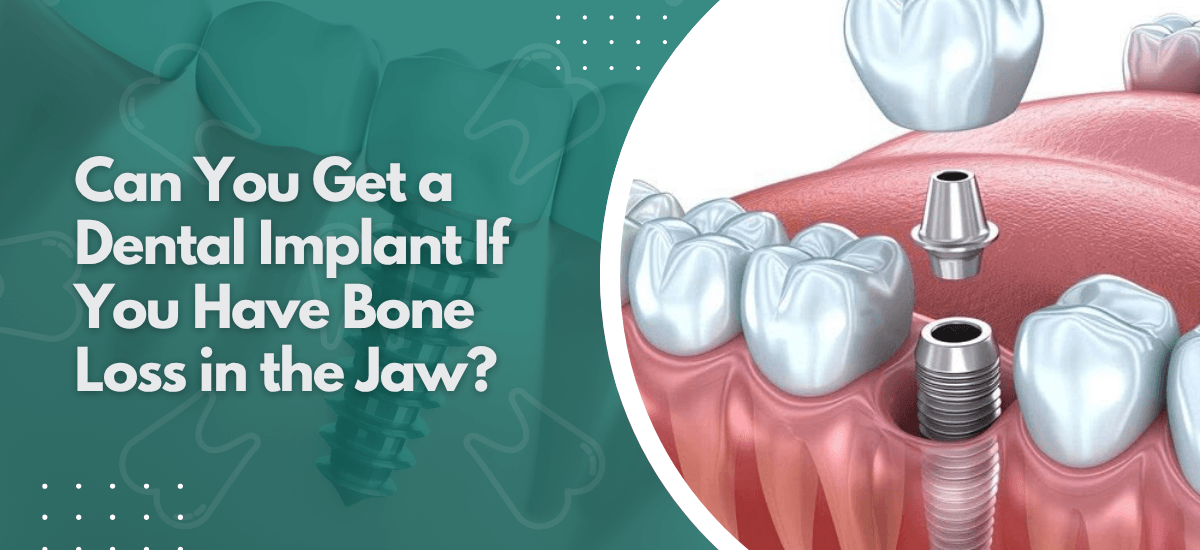
Jaw bone loss is one of the most common reasons patients are told they cannot get a dental implant, but in most cases it is not a final answer. The bone volume that makes implant placement possible can be rebuilt through grafting procedures that have become routine in modern implant dentistry. Whether a patient qualifies depends on how much bone remains, where the loss has occurred, and what the underlying cause was. CBCT imaging gives a precise picture of the defect before any decision is made.
According to Dr. Suhrab Singh, a dentist at Neo dental clinic in Noida,
“Bone loss rules out an implant today, not permanently. In most cases we can graft the site, wait for it to consolidate, and place the implant into rebuilt bone that integrates just as well as native bone. The key is assessing the defect accurately before planning anything, which is why CBCT is non-negotiable for every bone loss case we see.”
Concerned about bone loss and implant eligibility?
What Makes a Bone Loss Patient Still Eligible for an Implant?
Not every patient with bone loss needs the same solution. Eligibility depends on a structured assessment of what is present, not just what has been lost.
- Remaining bone volume: A minimum bone height and width is needed to place an implant safely. If the existing bone falls short, grafting adds the missing volume before placement. CBCT scanning maps the exact defect so the grafting plan addresses the right area at the right depth.
- Location of bone loss: Bone loss in the upper back jaw brings the sinus floor into close proximity with the implant site, requiring a sinus lift before grafting proceeds. Lower jaw defects are generally more straightforward to graft and heal faster due to denser bone architecture.
- Cause and duration of bone loss: Bone lost to tooth extraction or gum disease responds well to grafting. Bone lost to radiation therapy, uncontrolled systemic disease, or bisphosphonate use requires more careful evaluation, as healing capacity is reduced and the graft consolidation timeline is longer.
- Overall health and habits: Smokers and patients with uncontrolled diabetes have lower graft success rates because healing is compromised at the cellular level. Achieving implant eligibility in these cases starts with addressing the underlying risk factor before grafting is scheduled.
The quality of planning at this stage determines everything that follows, and every dental implant in Noida assessment at Neo Dental Care begins with CBCT imaging precisely because visual examination alone cannot quantify what is missing.
What Happens During Bone Grafting and What Does Recovery Look Like?
Bone grafting is not a single procedure. The approach depends on the size of the defect, the location in the jaw, and how much volume needs to be rebuilt.
- Socket grafting: Used immediately after extraction when the bone walls of the socket are intact. Graft material, which may be synthetic, donor-derived, or from the patient, is packed into the socket to preserve the ridge while healing. This is the simplest form of grafting and the most commonly needed.
- Guided bone regeneration: A membrane is placed over the graft site to prevent soft tissue from growing into the space before bone can form. This technique is used for moderate defects where the graft needs structural support to consolidate correctly over 3 to 6 months.
- Sinus lift: For upper back jaw cases where the sinus floor sits too close to the implant site, the sinus membrane is gently elevated and graft material is placed beneath it. Healing takes 4 to 6 months before implant placement can proceed, and the procedure has a well-documented success rate in specialist hands.
- Block grafting: For larger defects, a block of bone harvested from the patient or a donor source is fixed to the deficient ridge. This is the most involved grafting procedure, requiring a separate healing phase of 4 to 6 months, but it reliably rebuilds significant bone volume where other techniques cannot.
Untreated tooth loss is the most preventable cause of bone deficiency, and the bone changes that make grafting necessary are well explained in our blog on missing tooth replacement.
|
Grafting Type |
Best For |
Healing Before Implant |
|
Socket grafting |
Post-extraction ridge preservation |
3 to 4 months |
|
Guided bone regeneration |
Moderate defects with membrane support |
3 to 6 months |
|
Sinus lift |
Upper back jaw with low sinus floor |
4 to 6 months |
|
Block grafting |
Large defects needing significant volume |
4 to 6 months |
Why Choose Dr. Suhrab Singh at Neo Dental Care?
Dr. Suhrab Singh is an MDS-qualified implantologist at Neo Dental Care, Noida, recognised with the National Quality Achievement Award for Best Dentist in Noida 2020. The clinic operates within the NABH-accredited Neo Hospital, uses CBCT imaging for every bone assessment, and manages grafting and implant placement as a single coordinated treatment plan. Every patient receives a written breakdown of their bone defect, grafting approach, and implant timeline before any procedure begins.
Frequently Asked Questions
Yes, in most cases. Bone grafting rebuilds the lost volume before implant placement. The extent of grafting needed depends on how much bone remains and where in the jaw the implant is being placed.
Most graft sites need 3 to 6 months to heal before the implant is placed. The exact timeline depends on graft type, jaw location, and how well the site integrates.
The procedure is done under local anaesthesia and is not painful during surgery. Mild soreness and swelling in the days after are normal and manageable with standard pain relief.
The most common causes are tooth loss left untreated, advanced gum disease, injury, and prolonged denture use. Bone begins shrinking within weeks of a tooth being lost without a root to stimulate it.