
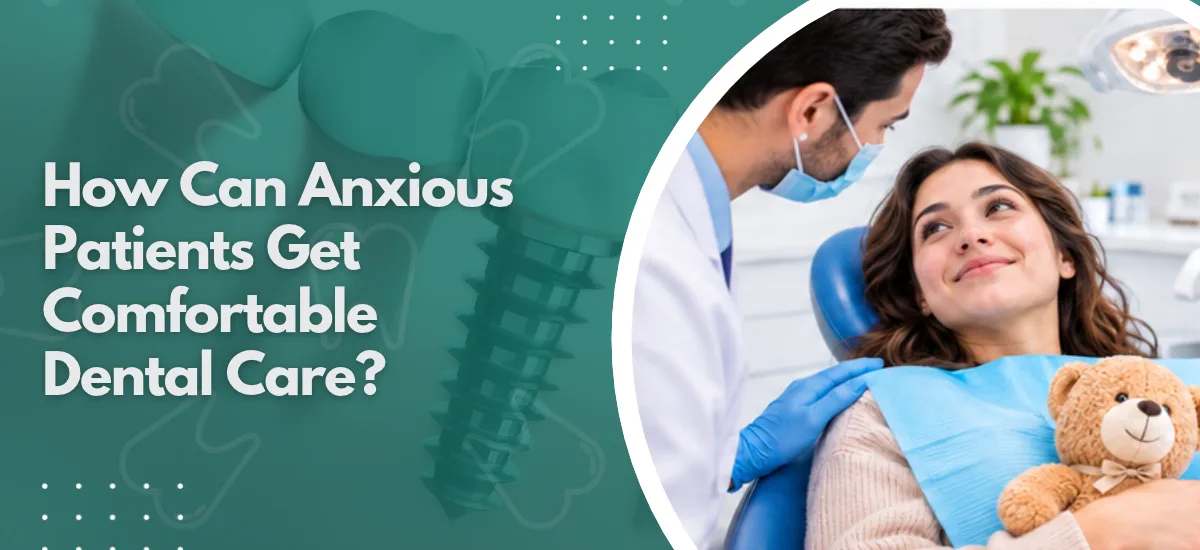
Plenty of adults skip check-ups for years because of one bad memory in the chair. It doesn’t have to stay that way. Anxious patients usually get comfortable dental care by telling the team how they feel, giving their mind something else to do during treatment and, in the worst cases, using sedation.
According to Dr. Suhrab Singh, Dentist in Noida, “Anxious patients often assume they have to cope in silence. They don’t. Agreeing a stop signal and hearing each step in advance removes most of the fear of the unknown, and that fear is usually worse than the treatment itself.”
Why Does Telling the Dentist You’re Nervous Help?
Fear feeds on surprises. Most of it comes from not knowing what happens next and having no way to stop it, and a short talk beforehand takes away a good part of both.
- Say You’re Anxious: Tell the receptionist when you book, or the dentist before you sit down. Nobody will be surprised, and the team can go slower and explain more as they work.
- Agree a Stop Signal: A raised hand is the common choice. Once you know it works, you tend to use it far less than you expected to.
- Ask for Each Step: One patient wants every instrument named and the next wants quiet. Both are reasonable, so say which one you are.
- Start With a Short Visit: Book a first appointment for a chat and a look at the room, nothing more. No treatment is done, so there’s nothing to dread.
A routine cleaning is a gentle way back in. Anyone searching for painless teeth cleaning near me will come across methods such as Swiss Air Flow Technology for Painless Scaling, which uses air, water and fine powder instead of scraping.
What Can You Do in the Chair to Stay Calm?
Your brain can’t give full attention to the drill and to something else at once. That’s the idea behind most distraction methods, and several of them have been studied in dental anxiety research.
- Music or Podcasts: Bring headphones. The whine of the drill is what bothers many nervous patients most, and a good playlist covers it.
- Slow Breathing: Count four in and six out. Try it on the sofa a few times beforehand, because it’s hard to learn mid-appointment.
- Topical Numbing: The dentist dabs a gel on the gum before the injection, so the needle barely registers. Going slowly with the injection helps too.
- Planned Breaks: A long procedure can be done in two shorter visits. Nobody should have to lie there for an hour if that’s too much.
Putting off the dentist for years rarely helps. Small problems turn into big ones and the fear grows with them. This guide on full mouth rehabilitation and who needs it shows where long delays can end up.
When Is Sedation Worth Considering?
Sedation is an option when anxiety is severe or the treatment is long. It’s used alongside the techniques above, not in place of them.
- Nitrous Oxide: Known as laughing gas, it comes through a small mask over the nose. You feel loose and calm within minutes, and it’s gone shortly after the mask comes off. Some clinics don’t offer it.
- Oral Sedation: A tablet taken before the visit leaves you awake but relaxed. You’ll need someone to take you home afterwards.
- Intravenous Sedation: A trained clinician gives it through a vein, and the patient ends up very drowsy, often remembering little of the visit. Monitoring continues the whole time.
- General Anaesthesia: Used only for large amounts of work or severe phobia. It’s done in a hospital with an anaesthetist, and the patient is fully asleep.
Children often need a different approach. The page on Kids Dentistry in Noida covers dental care built around younger patients.
Key Takeaways: Tell the dental team you’re nervous, agree a stop signal and keep the first visit short. Music and slow breathing help once treatment starts, and sedation is available when the fear is severe or the work is long. Putting it off tends to make both the tooth and the fear worse.
Frequently Asked Questions
Yes, very. Many adults get uneasy before an appointment, and some stay away for years because of it.
Mostly no. With gas, a tablet or a drip you stay awake, just calm and a bit dreamy. Only a general anaesthetic puts you fully to sleep.
Yes. A friend or family member can wait nearby, and you’ll need one after oral or intravenous sedation anyway.
No. Most cleanings hurt little or not at all. If your gums are sensitive, ask for numbing gel or a gentler method.
Disclaimer
This blog is for educational purposes only and is not a substitute for a professional dental evaluation.