
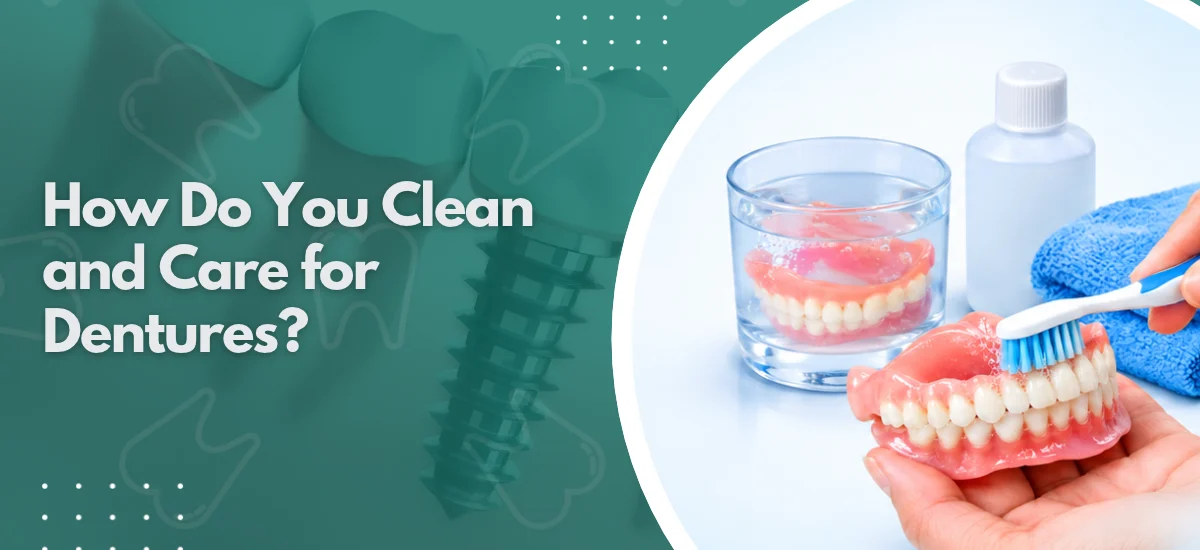
Dentures collect plaque just like natural teeth do. A few minutes a day keeps them clean and saves a lot of trouble with sore gums and bad breath later. This guide covers how to clean dentures and the habits that quietly damage them.
According to Dr. Suhrab Singh, Dentist in Noida, “Most denture problems start with rushed cleaning or the wrong products, not with the dentures themselves. A soft brush, mild soap and a few quiet minutes each day do more than any gadget. The gums underneath need the same attention as the plastic.”
How Should You Clean Dentures Every Day?
Nothing in the routine needs special equipment. A soft brush, some mild soap and a glass or tub are enough, and the order below is a sensible one to follow.
- Rinse After Meals: Rinse the dentures under the tap once you’ve finished eating, over a basin half full of water so they land softly if they slip. Rice and seeds hide in the grooves more than you’d expect.
- Brush Gently: Use a soft brush and a little mild soap. Toothpaste seems like the obvious choice, but it’s gritty enough to scratch the plastic, and scratches are where stain and bacteria collect.
- Soak Overnight: Drop them in plain water or a cleaning tablet mixed as the packet says, then rinse them well in the morning before wearing them. A denture left out to dry on the bedside table can warp over time.
- Clean Your Mouth: Plaque forms on the gums, tongue and palate as well. Run a soft toothbrush over them before the dentures go in and your mouth will feel much fresher.
If you wear a partial denture, your remaining natural teeth still need a professional clean from time to time. Swiss Air Flow Technology for Painless Scaling does this with air, water and fine powder rather than scraping, which is easier on sensitive gums.
Which Habits Damage Dentures Without You Noticing?
Most denture care tips come down to being gentle. The damage usually comes from habits that seem harmless.
- Hot Water: Pouring boiling water over dentures to sanitise them is a common mistake. It can warp the plastic, and a denture that has warped won’t sit right again. Lukewarm water is all you need.
- Harsh Cleaners: Bleach and bathroom or floor cleaners are too strong for denture plastic. Stiff brushes are no better, since they leave scratches that hold stain.
- Wearing Them Around the Clock: Sleeping in dentures means the gums get no break. Dentists generally ask patients to take them out at night.
- Home Repairs: Glue a chipped or cracked denture at home and you’ll often end up with a worse fit. Take it to a dentist instead.
Dentures aren’t the only route when several teeth are missing. This guide on full mouth rehabilitation and who needs it goes through how a bigger replacement plan is put together.
What Signs Mean Your Dentures Need a Dentist?
After teeth are lost, the jawbone slowly shrinks. That’s why a denture that felt perfect at first can start to move a year or two on, and a few signs tell you the fit needs attention.
- Loose or Slipping: A denture that clicks, shifts or lifts while you eat probably needs relining. Adhesive can get you through a meal but doesn’t fix the fit.
- Sore Spots: Rubbing creates sore patches that can become infected if they’re left alone. Until the denture is adjusted, the same spot tends to get rubbed again and again.
- White Patches or Redness: Red, shiny or white patches under the denture, sometimes with a burning feeling, can mean a fungal infection, which is common in denture wearers.
- Yearly Check-Ups: Go once a year even if nothing hurts. The dentist checks the fit and also looks over the cheeks, tongue and palate for changes you can’t see yourself.
A few people move on to implants when dentures keep slipping, and the page on dental implant in Noida covers that option.
Key Takeaways: A soft brush, mild soap, an overnight soak and a quick brush of the gums cover the daily routine. Hot water, bleach, toothpaste and glue are best kept away from dentures. A loose fit, sore spots or white patches all call for a dentist, and a yearly check-up is worth booking anyway.
Frequently Asked Questions
It’s better not to. Toothpaste is abrasive enough to scratch the plastic, so soap or a denture cleaner is the safer choice.
Yes. Out of the mouth they need to stay wet, and plain water or a cleaning solution does that.
Usually every five to seven years. Cracks, chips or a fit that has gone loose can bring the date forward.
Not usually. Gums need a few hours without pressure, and dentures left in overnight make a fungal infection more likely.
Disclaimer
This blog is for educational purposes only and is not a substitute for a professional dental evaluation.