
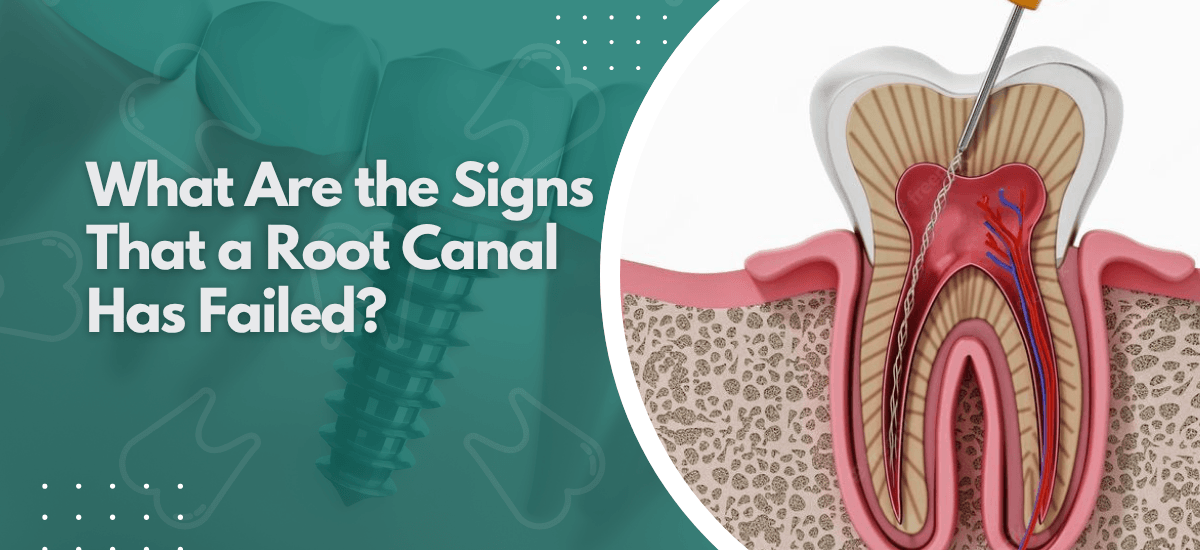
A root canal removes infected pulp, seals the canals, and gives the tooth a chance to function normally for years or decades. Most do exactly that. But a meaningful percentage develop persistent or returning infection, and the signs are specific enough that patients who know what to look for can act before the damage becomes irreversible.
According to Dr. Suhrab Singh, a dentist at Neo dental clinic in Noida,
“A root canal that has failed does not always hurt the way patients expect. Sometimes the tooth feels fine for years, then a shadow appears on the X-ray at a routine check. The bacteria never left, they just settled into the periapical tissue and continued slowly. That is why annual radiographic review of root canal teeth is not optional for any patient who wants to keep that tooth long term.”
Concerned about a root canal treated tooth that is bothering you?
What Are the Clinical Signs of Root Canal Failure?
Failure presents through a recognisable set of symptoms and radiographic findings. Knowing each one reduces the time between failure and treatment.
- Returning pain after a pain-free period: A root canal tooth should not hurt once it has settled. Pain that returns weeks, months, or years after the tooth was symptom-free is the most clinically significant sign of failure and almost always indicates persistent or re-established bacterial infection inside or around the root.
- Swelling that does not resolve: Swelling in the gum tissue near a root canal tooth, particularly if it recurs or never fully settled after the original procedure, points to ongoing periapical infection. A fluctuant swelling that produces pus when pressed is an abscess and requires immediate attention.
- Sinus tract on the gum: A small pimple-like bump on the gum near the root canal tooth, sometimes called a dental fistula, is the body draining infection from the periapical area. It confirms active infection and is one of the most reliable clinical signs that the root canal has failed.
- Tooth discolouration and mobility: A gradual darkening of the tooth crown combined with increasing mobility suggests that periapical bone loss is progressing and the tooth’s structural support is compromised. These findings together indicate a failure that is advanced enough to require urgent evaluation.
Root canal treatment at Neo Dental Care uses microscopic techniques to locate and treat all canal anatomy, which is the most common factor behind failure when it goes unaddressed, and the full procedure is explained on our root canal treatment in Noida page.
What Causes a Root Canal to Fail and What Happens Next?
Understanding why failures occur helps both clinicians and patients catch them early and choose the right response.
- Missed or untreated canals: Molar teeth frequently have more canals than their root count suggests, and a canal missed during the original procedure retains bacteria that cause ongoing infection. Studies identify untreated additional canals as the most significant predictor of failure within the first five years of treatment.
- Incomplete debridement and poor obturation: Canals that are inadequately cleaned or filled leave bacterial reservoirs that persist and expand over time. An overfilled canal that extends beyond the root apex or an underfilled one with space for bacterial growth both compromise the seal that keeps infection contained.
- Coronal leakage: The crown or filling placed over the root canal tooth after treatment must maintain a bacteria-tight seal.
- Tooth fracture: A root canal tooth that has not been properly crowned carries a significant fracture risk. A vertical root fracture is not retreatable and usually results in extraction. It is one of the most common reasons a root canal tooth is ultimately lost, and it is almost entirely preventable with a timely crown placement after treatment.
Persistent pain after root canal treatment, whether it appears immediately or months later, follows a pattern that is covered in detail in our blog on pain after root canal and crown, which helps distinguish normal healing from genuine failure.
Sign | What It Indicates | Urgency |
Returning pain after symptom-free period | Persistent or re-established infection | High, assess promptly |
Non-resolving swelling or abscess | Active periapical infection | Urgent, same week |
Sinus tract on gum | Established periapical drainage | High, assess promptly |
Tooth darkening with mobility | Advanced bone loss, structural compromise | High, assess promptly |
Periapical shadow on X-ray only | Early or chronic infection, no symptoms | Moderate, monitor and plan |
Why Choose Dr. Suhrab Singh at Neo Dental Care?
Dr. Suhrab Singh is an MDS-qualified endodontist at Neo Dental Care, Noida, who has performed over 15,000 root canal procedures using microscopic techniques that reduce the risk of missed canals, the leading cause of treatment failure. The clinic operates within the NABH-accredited Neo Hospital and uses dental microscopes and digital radiography for both primary treatment and retreatment cases.
Frequently Asked Questions
Key signs include persistent or returning pain after the tooth was initially pain-free, swelling that does not settle, a sinus tract on the gum, tooth discolouration, and a visible shadow at the root tip on X-ray indicating a periapical lesion.
Yes. Non-surgical retreatment, where the canals are re-cleaned and resealed, resolves most failures. Cases with calcified or inaccessible canals may require apical surgery. The earlier the failure is caught, the more options remain available.
Failure can occur within months or years. Studies show 37% of retreatment cases present within 5 years and 45% more than 10 years after the original treatment. Annual radiographic review is the most reliable way to detect failure early.
The most common causes are missed or untreated canals, incomplete debridement, poor coronal seal allowing bacterial re-entry, and persistent periapical infection. Tooth fracture after treatment is also a leading reason a root canal tooth is eventually lost.