
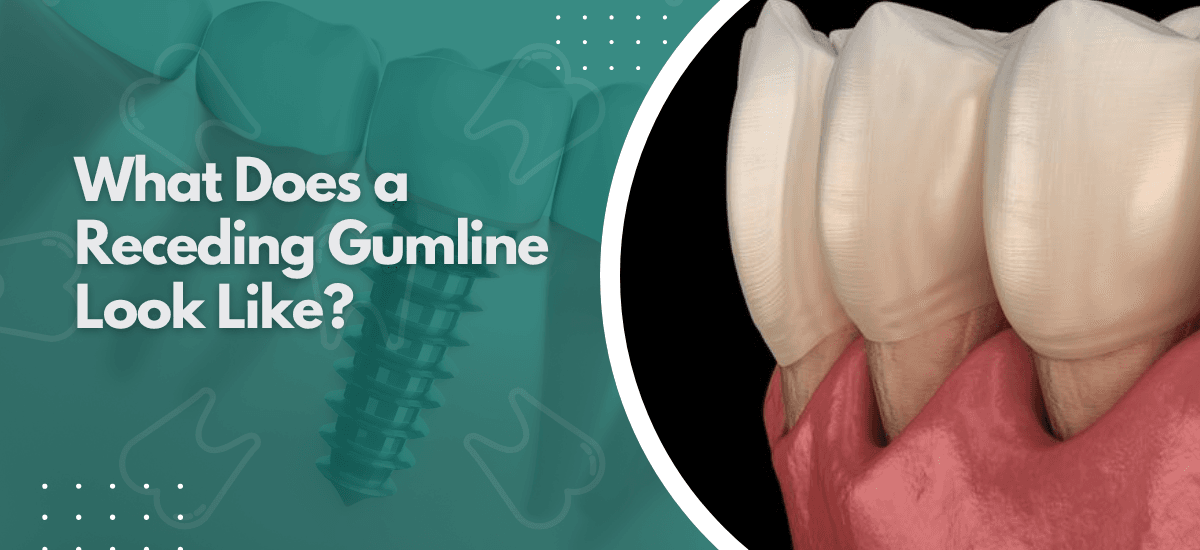
A receding gumline manifests as apparent tooth elongation caused by apical gingival migration exposing additional coronal and root surfaces, including the cementum-covered root areas that appear darker yellow or brownish compared to enamel-covered crowns, creating interdental embrasure spaces or “black triangles” at the gingival margin, and presenting with asymmetric gingival heights across the dentition. The exposed cementum and dentin surfaces exhibit increased thermal sensitivity to hot and cold stimuli due to patent dentinal tubules, necessitating evaluation from a dentist in Noida to prevent progressive alveolar bone resorption.
Dr. Anurag Parashar, experienced prosthodontist at Neo Dental Care with expertise treating gum recession, breaks it down:
“Receding gums don’t happen overnight but once you spot them it’s pretty obvious something’s wrong. Your teeth suddenly look way longer than they used to, gums sitting lower exposing root surfaces that look yellow or tan instead of white enamel. You see these black triangles popping up between teeth near the gumline where gum tissue used to fill the space. Some teeth recede worse than others creating this uneven ragged gumline instead of smooth consistent curve. The exposed roots scream bloody murder when you drink cold water or eat hot food because they’ve got zero protective enamel covering them.”
Exposed tooth roots or sensitivity? Get checked for receding gums at Neo Dental Care.
What Are the Visual Signs of Gum Recession?
Gum recession presents with distinctive clinical signs upon examination, though early-stage recession develops gradually before progressing to more pronounced manifestations.
- Teeth Appearing Longer
The dead giveaway is teeth looking noticeably longer than before, especially comparing front teeth to old photos. As gums recede they expose more tooth surface that was previously hidden under the gumline, making teeth appear stretched or elongated. The change happens slow enough you might not notice day-to-day, but compare current smile to pictures from 5 years ago and the difference slaps you. Some teeth recede faster creating this weird uneven look where certain teeth tower over neighbors. - Exposed Root Surfaces
Healthy gums cover tooth roots completely, you only see white enamel crowns. Recession exposes root surfaces appearing darker yellow, tan, or brownish since roots lack enamel’s bright white color. The exposed roots look distinctly different from the crown portion, creating this two-tone effect with white crown meeting yellow root. Root surfaces feel rougher and more textured than smooth enamel when you run your tongue across them. - Black Triangles Between Teeth
As gums pull back they create these dark triangular gaps between teeth near the gumline where gum tissue used to fill the space completely. The black triangles get bigger as recession worsens, sometimes large enough food gets trapped there annoying the hell out of you. These gaps make teeth look separated and gappy even if the actual tooth surfaces still touch higher up. The triangles are darker because you’re seeing straight through to the inside of your mouth instead of gum tissue blocking the view. - Uneven Gumline Heights
Healthy gums follow this smooth consistent arch across all teeth sitting at roughly the same height. Recession creates jagged uneven gumlines with some teeth showing way more exposed surface than neighbors. Canines and premolars often recede faster than other teeth, creating this stepped appearance instead of smooth curve. The unevenness makes your smile look asymmetrical and aged even if teeth themselves are healthy and straight.
Catching these visual red flags matters huge because recession exposes roots vulnerable to decay and sensitivity. Getting checked at a trusted dental clinic identifies what’s causing recession – aggressive brushing, gum disease, genetics, grinding – so treatment addresses the actual problem instead of just cosmetic band-aids.
Seeing your teeth look longer than before? It’s time to check for gum recession at Neo Dental Care.
How Does Gum Recession Differ From Normal Gum Appearance?
Not everyone’s gums sit at identical heights naturally, but recession creates specific abnormal patterns separating it from normal variation once you know what splits them.
Comparison Factor | Normal Healthy Gums | Receding Gums |
Gumline Position | At enamel-root junction | Below junction, roots exposed |
Tooth Length Appearance | Proportional, consistent | Teeth look elongated, longer |
Root Visibility | Zero roots showing | Yellow/brown roots visible |
Gaps Between Teeth | Gum fills spaces completely | Black triangles at gumline |
Gumline Evenness | Smooth consistent arch | Jagged uneven heights |
Tissue Thickness | Thick, firm, resilient | Thin, fragile, translucent |
Sensitivity | Normal temperature tolerance | Sharp pain with hot/cold |
Progression | Stable over years | Worsens without treatment |
- Gumline Position
Normal healthy gums sit snug against teeth right at the junction where white enamel crown meets the root, creating this pink collar wrapping each tooth. Recession pulls gums downward exposing root surfaces that should stay buried, gum tissue sitting way below the normal enamel-root junction. The recession often affects outer tooth surfaces facing lips and cheeks worse than inner surfaces facing tongue, creating uneven coverage around individual teeth. - Root Exposure Pattern
Healthy mouths show zero exposed roots – everything below the crown stays covered by gums and bone. Recession exposes varying amounts of root depending severity, from tiny strips near the gumline to massive exposure revealing half the root or more. The exposure pattern usually hits certain teeth harder, especially canines, premolars, and lower front teeth where bone naturally sits thinner. Upper back molars often show less recession because bone’s thicker there providing better support. - Gum Tissue Thickness
Normal gums feel thick and resilient, firmly attached to underlying bone, not easily pushed or moved. Receding gums often feel thin and fragile, lacking that robust attachment, sometimes so thin you see tooth structure or bone showing through translucent tissue. The thinned tissue tears easier during brushing or flossing, bleeding from gentle contact that wouldn’t faze healthy thick gums. Thin gums also recede faster once recession starts because there’s less tissue holding position against pulling forces. - Sensitivity Level
Teeth with healthy gum coverage tolerate hot and cold normally without sharp pain since enamel crowns insulate the nerve. Exposed roots from recession bring savage sensitivity because roots have tiny tubules connecting straight to the nerve with zero enamel protection. Cold air, ice water, hot coffee, even sweet foods trigger sharp zinging pain that makes you flinch. The sensitivity confirms roots are exposed even if visual changes seem subtle.
Understanding these splits helps communicate symptoms accurately and gauge severity. Neo Dental Care uses detailed periodontal measurements tracking exact recession amounts at each tooth, photographs documenting progression over time, identifies whether you need gum grafting surgery covering exposed roots or just treatment stopping further recession.
Why Choose Neo Dental Care for Gum Recession Treatment?
Dr. Suhrab Singh leads Neo Dental Care with 12+ years specializing in periodontal surgery and recession management, offering comprehensive tissue assessments, soft tissue grafting, minimally invasive pinhole surgical technique, and NABH-accredited care at Neo Hospital, Sector 50, Noida. The clinic identifies and addresses causative factors including parafunctional habits, employs microsurgical techniques minimizing post-operative morbidity, and provides interim desensitizing protocols during treatment planning, delivering evidence-based intervention for both early-stage recession and advanced root exposure based on 15,000+ successful procedures – call +91 97557 12732 and let our team arrest recession progression and restore gingival architecture.
Noticing your teeth looking longer or feeling sharp sensitivity? Don’t wait till roots completely expose or teeth get loose. Call +91 97557 12732 right now and let our team assess your gumline and stop recession before it wrecks your smile and threatens tooth stability.
Early signs of gum recession? Neo Dental Care can help restore your gum health.
Frequently Asked Questions
Nope, once gums recede they don’t regenerate on their own, you need gum grafting surgery placing new tissue over exposed roots restoring coverage.
Aggressive brushing with hard bristles scrubbing horizontally causes tons of cases, but gum disease, genetics, grinding, and thin tissue also contribute big time.
Depends on the cause – aggressive brushing can recede gums 1-2mm per year, while genetics or disease might progress slower over decades.
Not necessarily, mild recession with proper care stays stable, but severe recession exposing most of the root plus bone loss can eventually cause tooth loss.
References
- American Dental Association. (2023). “Gum Recession.” ADA Patient Education Resources. Available at: https://www.ada.org
- National Institute of Dental and Craniofacial Research. (2024). “Gum Disease and Recession.” NIDCR Clinical Guidelines. Available at: https://www.nidcr.nih.gov