
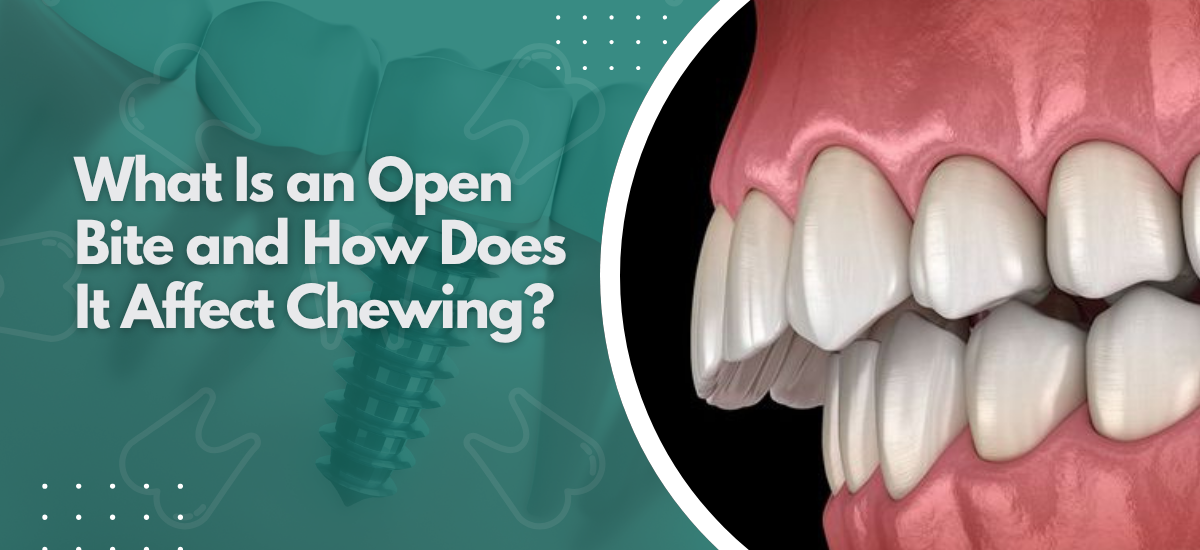
Open bite is a malocclusion where upper and lower front teeth don’t touch when you bite down completely, creating visible gaps preventing proper contact between teeth making it brutal tough chewing through food properly. This gap forces you chewing with back teeth only overloading molars and messing up bite mechanics, causing jaw pain, speech problems, difficulty biting pizza or sandwiches, plus worn-down back teeth from doing all the work needing evaluation from a dentist in Noida fixing alignment before damage piles up permanently.
Dr. Niharika Singh, experienced dentist at Neo Dental Care with 5+ years treating bite problems, tells it straight:
“Open bite patients walk in complaining they can’t bite through a sandwich or apple properly ’cause their front teeth literally don’t touch when they close their mouth. The gap between upper and lower front teeth forces them chewing everything with back molars only, overloading those teeth causing brutal wear and TMJ pain from unbalanced forces. Kids with thumb sucking habits or tongue thrust develop open bites pushing teeth apart over years, while adults might get it from untreated jaw growth problems or grinding. Treatment depends how bad the gap is – mild cases fix with braces pulling teeth together, severe cases need jaw surgery repositioning bones before orthodontics can finish the job.”
Struggling to bite properly or chew comfortably? Get evaluated for open bite at Neo Dental Care today.
What Are the Main Types and Causes of Open Bite?
Open bites split into different categories with their own triggers and characteristics once you know what separates them from normal bite issues.
Open Bite Type | Clinical Presentation | Primary Etiology | Treatment Approach |
Anterior Open Bite | Front teeth fail to contact when occluded; 2-5mm gap between maxillary and mandibular incisors and canines; posterior teeth maintain contact | Parafunctional habits (thumb sucking beyond age 3, prolonged pacifier use, tongue thrust swallowing pattern) | Habit cessation, myofunctional therapy, orthodontic tooth movement |
Posterior Open Bite | Molars fail to contact when occluded while anterior teeth maintain normal contact; compromised masticatory efficiency | Skeletal dysplasia, genetic syndromes affecting craniofacial development, temporomandibular joint pathology | Orthognathic surgery often required; orthodontics alone typically insufficient |
Dental Open Bite | Malocclusion resulting from abnormal tooth eruption patterns or positional displacement; normal skeletal jaw relationships | Digit habits, tongue thrust, airway obstruction, prolonged non-nutritive sucking | Orthodontic repositioning after habit elimination |
Skeletal Open Bite | Malocclusion resulting from vertical maxillary excess or mandibular positioning abnormalities; disproportion in jaw bone dimensions | Genetic growth patterns, craniofacial anomalies, vertical growth excess | Orthognathic surgery to reposition jaw bones, followed by orthodontics |
- Anterior Open Bite
This is the classic version where front teeth don’t touch when you bite down, creating obvious gaps between upper and lower incisors and canines. The gap typically measures 2-5mm or more in severe cases, visible when you close your mouth completely. Back molars still contact properly handling all the chewing work. This type screams from childhood habits like thumb sucking, pacifier use past age 3, or tongue thrusting forward constantly. The pressure from thumbs or tongue literally pushes front teeth apart preventing normal contact development. - Posterior Open Bite
Way less common but way weirder – back molars don’t touch when you bite down while front teeth make contact normally. The open space sits in molar region making chewing super inefficient since molars normally grind food into swallowable bits. This type usually signals skeletal problems or jaw growth abnormalities more than habits. Certain genetic conditions affecting bone development create posterior open bites that braces alone can’t fix needing surgery correcting underlying jaw structure. - Skeletal vs Dental Open Bite
Skeletal open bite comes from actual jaw bone growing wrong – upper jaw growing too tall vertically or lower jaw positioned incorrectly creating gaps even with straight teeth. Dental open bite happens when jaw bones are fine but teeth erupted at wrong angles or got pushed into bad positions from habits. This split matters huge for treatment – dental cases fix with braces moving teeth, skeletal cases need orthognathic surgery cutting and repositioning jaw bones before braces can work properly. - Habit-Related Causes
Thumb sucking beyond age 4-5 constantly pushes front teeth backward and upward preventing normal contact. Tongue thrust swallowing pattern where tongue pushes forward against teeth during every swallow applies thousands of repetitions daily forcing teeth apart gradually. Prolonged pacifier use does similar damage creating anterior open bites. Stopping habits early lets teeth drift back naturally sometimes, but years of pressure create permanent changes needing orthodontic correction.
Understanding these types and causes helps communicate symptoms accurately and gauge treatment complexity. Getting scoped at a solid dental clinic identifies whether you’re battling simple dental open bite or complex skeletal version, determines if habits are driving the problem or genetics doomed you, maps treatment addressing root cause not just symptoms.
Difficulty chewing food or jaw discomfort? It could be an open bite visit Neo Dental Care today.
How Does Open Bite Affect Daily Eating and Chewing?
Open bite wrecks normal eating mechanics creating frustrations and complications way beyond just cosmetic appearance problems.
- Front Teeth Can’t Bite or Tear
You literally can’t bite through pizza crust, tear into apples, or chomp sandwiches normally because your front incisors don’t touch opposition teeth. The gap means zero cutting action happening when you try biting, forcing you ripping food with hands first or avoiding certain foods completely. Corn on the cob becomes impossible nightmare, crusty bread turns into embarrassing struggle session, even biting nails or opening packaging with teeth fails since there’s no opposing contact creating shearing force. - Back Teeth Get Overworked
Since front teeth do squat, your molars handle 100% of chewing workload instead of normal distribution. This overload causes excessive wear flattening cusps way faster than normal aging, cracks developing in overworked molars from constant extreme pressure, potential tooth fractures from doing work meant for multiple teeth. The unbalanced forces also trigger TMJ problems – jaw joints complaining from asymmetric loading, muscles getting fatigued and sore from compensating, clicking or popping sounds when opening mouth wide. - Inefficient Food Processing
Normal chewing uses front teeth tearing food into chunks then molars grinding into paste. Open bite skips the tearing step forcing molars grinding huge pieces inefficiently, meals taking way longer than they should, food not breaking down properly before swallowing creating digestion issues. You end up cutting everything into tiny pieces before eating like you’re five years old again, avoiding tough chewy foods completely, or swallowing bigger chunks than ideal stressing your digestive system. - Speech and Social Impact
The gap between teeth lets air escape during certain sounds creating lisps especially on S, Z, and TH sounds. You might develop compensatory tongue positions trying to seal the gap making speech sound weird. The visible gap also creates self-consciousness smiling or talking, some folks covering their mouth constantly, avoiding social situations where eating’s involved since biting food looks awkward and difficult in front of others.
Comparison Factor | Normal Bite | Open Bite |
Front Teeth Contact | Upper and lower touch when closed | Visible gap, no contact |
Chewing Ability | All teeth share workload evenly | Back teeth do everything |
Food You Can Bite | Pizza, apples, sandwiches easily | Struggle tearing/biting |
Speech Issues | Clear pronunciation | Lisp, air escaping |
Jaw Strain | Balanced forces | TMJ pain, overload |
Tongue Position | Stays behind teeth | Often thrusts forward |
Common Causes | Normal development | Thumb sucking, tongue thrust, genetics |
Treatment Need | None typically | Braces, surgery for severe cases |
Weighing these functional impacts helps decide treatment urgency beyond just aesthetics. Neo Dental Care offers comprehensive bite analysis measuring exact gap size and location, digital treatment planning showing expected outcomes from braces or surgery, coordinates with orthodontists and oral surgeons for complex cases, provides treatment options from simple orthodontics to combined surgical approaches depending severity.
Why Choose Neo Dental Care for Open Bite Treatment?
Dr. Suhrab Singh runs Neo Dental Care with 12+ years experience, NABH accreditation, comprehensive orthodontic assessments measuring bite severity, digital X-rays and CBCT imaging showing jaw relationship, treatment planning from braces to surgical options, coordination with specialist orthodontists and maxillofacial surgeons for complex cases. Open bite needs early intervention before permanent damage piles up – call +91 97557 12732 and let our team assess your bite, explain realistic treatment timelines and costs, help you fix alignment before TMJ problems and tooth wear wreck your mouth permanently.
Open bite issues can affect chewing and jaw health get expert treatment at Neo Dental Care.
Frequently Asked Questions
In young kids under 6 if you stop thumb sucking or pacifier use early, but established open bites in older kids and adults need orthodontic treatment correcting it.
Typically 18-30 months with braces for dental open bite, longer if you need jaw surgery first for skeletal cases before orthodontics can finish.
Yeah, untreated open bite continues damaging back teeth from overload, TMJ problems develop from unbalanced forces, gap might increase from ongoing tongue thrust habits.
Nope not too late, adults can fix open bite with orthodontics or surgery, though treatment might take longer and severe skeletal cases need surgical correction.
References
- American Association of Orthodontists. (2023). “Open Bite Malocclusion.” AAO Patient Resources. Available at: https://www.aao.org
- National Institute of Dental and Craniofacial Research. (2024). “Bite Problems and Orthodontics.” NIDCR Clinical Guidelines. Available at: https://www.nidcr.nih.gov