
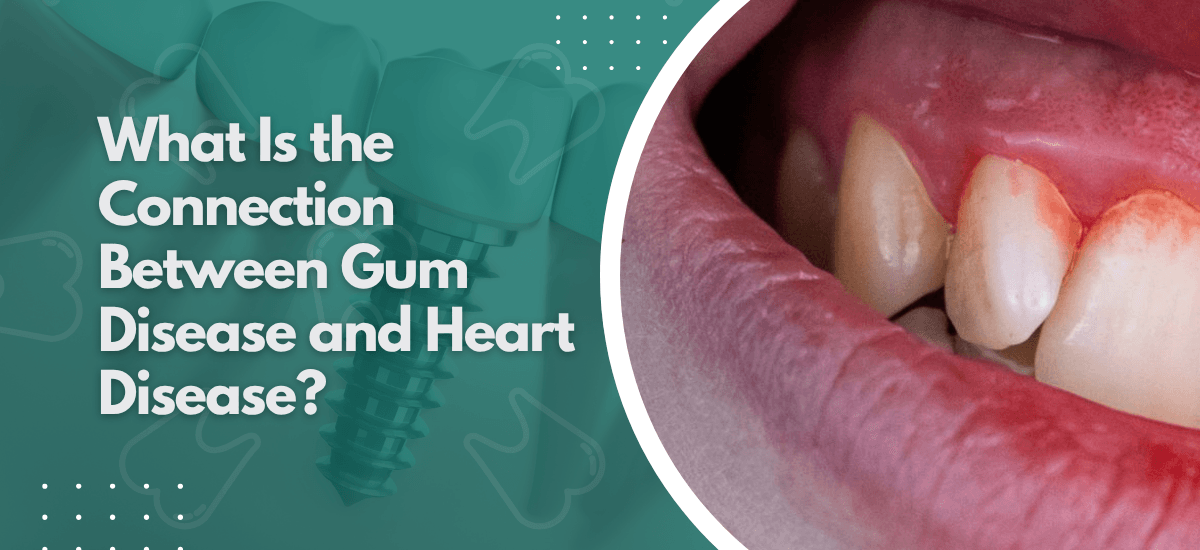
The link between gum disease and heart disease is one of the most studied topics in medicine at the intersection of oral and systemic health. It is not coincidence or correlation driven by shared risk factors alone. There are specific biological mechanisms through which active periodontal infection increases cardiovascular risk, and a growing body of evidence including meta-analyses covering millions of patients shows that people with periodontitis have a measurably higher risk of major adverse cardiac events than those without it.
According to Dr. Suhrab Singh, a dentist at Neo dental clinic in Noida,
“Patients are often surprised when I tell them that the state of their gums has implications for their heart. But the evidence is well established. Chronic periodontitis creates a persistent source of bacterial toxins and inflammatory mediators that enter the bloodstream every time the patient chews or brushes.”
Concerned about your gum health or systemic implications?
What Are the Biological Mechanisms Linking Gum Disease to Heart Disease?
The association between periodontitis and cardiovascular disease is not a statistical artefact. It operates through identifiable pathways that have been studied at a molecular level.
- Systemic bacteraemia from periodontal pockets: In active periodontitis, deep pockets between the teeth and gums harbour gram-negative bacteria including Porphyromonas gingivalis, Treponema denticola, and Tannerella forsythia collectively known as the red complex.
- Systemic inflammatory response: Periodontitis triggers sustained elevation of circulating pro-inflammatory cytokines including IL-1, IL-6, and TNF-alpha, as well as C-reactive protein, a recognised biomarker of cardiovascular risk.
- Endothelial dysfunction: The inner lining of blood vessels, the endothelium, plays a critical role in regulating arterial tone and preventing clot formation.
- Platelet aggregation and thrombosis risk: Periodontal pathogens, particularly P. gingivalis, have been shown to stimulate platelet aggregation.
Every patient presenting with active gum disease at Neo Dental Care receives a full periodontal assessment, and the systemic implications are discussed as part of the treatment conversation which is why patients with cardiovascular risk factors are strongly encouraged to prioritise gum treatment in Noida rather than managing their oral health as a separate concern.
What Does the Evidence Show and What Can Patients Do About It?
The clinical evidence on the periodontal-cardiovascular link has strengthened considerably over the past decade, and several actionable conclusions now emerge from it.
- The scale of the risk association: A pooled meta-analysis of 39 cohort studies involving 4.3 million patients found that periodontal disease was associated with a 24% increase in major adverse cardiovascular events.
- Shared risk factors amplify the relationship: Smoking, diabetes, obesity, and stress are risk factors for both periodontitis and cardiovascular disease.
- Does treating gum disease improve cardiovascular markers: Periodontal treatment scaling, root planing, and where necessary surgical debridement has been shown in multiple intervention studies to reduce circulating levels of C-reactive protein and IL-6.
- Practical implications for patients: Any patient with known cardiovascular disease, a history of heart attack or stroke, diabetes, or significant family history of coronary artery disease should treat their periodontal health as a managed medical condition rather than a cosmetic concern.
Understanding the earlier stages of gum disease and why catching it at gingivitis rather than periodontitis changes both the oral and systemic outcome is covered in detail in our blog on gingivitis vs periodontitis.
Mechanism | How It Links Gum Disease to Heart Disease |
Bacteraemia | Periodontal pathogens enter bloodstream and deposit in arterial plaques |
Systemic inflammation | Elevated IL-6, CRP, TNF-alpha accelerate atherosclerosis |
Endothelial dysfunction | Bacterial toxins damage vessel lining, impairing arterial regulation |
Platelet aggregation | P. gingivalis stimulates clot-promoting platelet activity |
Shared risk factor amplification | Smoking, diabetes, obesity worsen both conditions simultaneously |
Why Choose Dr. Suhrab Singh at Neo Dental Care?
Dr. Suhrab Singh is an MDS-qualified dental specialist at Neo Dental Care, Noida, recognised with the National Quality Achievement Award for Best Dentist in Noida 2020. The clinic operates within the NABH-accredited Neo Hospital and offers comprehensive periodontal assessment and treatment as part of an overall health-focused approach to dental care.
Frequently Asked Questions
Gum disease does not directly cause heart disease, but there is a well-documented association. People with periodontitis have a significantly higher risk of cardiovascular events. The relationship is driven by systemic inflammation, bacterial translocation into the bloodstream, and endothelial dysfunction that accelerates atherosclerosis.
Periodontal treatment has been shown to reduce circulating inflammatory markers such as C-reactive protein and interleukin-6, which are directly linked to cardiovascular risk. While evidence that treating gum disease prevents cardiac events is still developing, reducing systemic inflammation through periodontal care is clinically significant.
Warning signs of advancing periodontitis include gums that bleed during brushing or spontaneously, persistent bad breath that does not resolve with hygiene, gum recession, loose teeth, and pain on chewing. Any of these should be assessed by a dentist promptly.
Maintaining good oral hygiene reduces the bacterial load in the mouth and lowers systemic inflammatory markers associated with cardiovascular risk. While oral hygiene alone does not replace cardiac risk factor management, it is a modifiable factor that contributes to overall systemic inflammation control.