
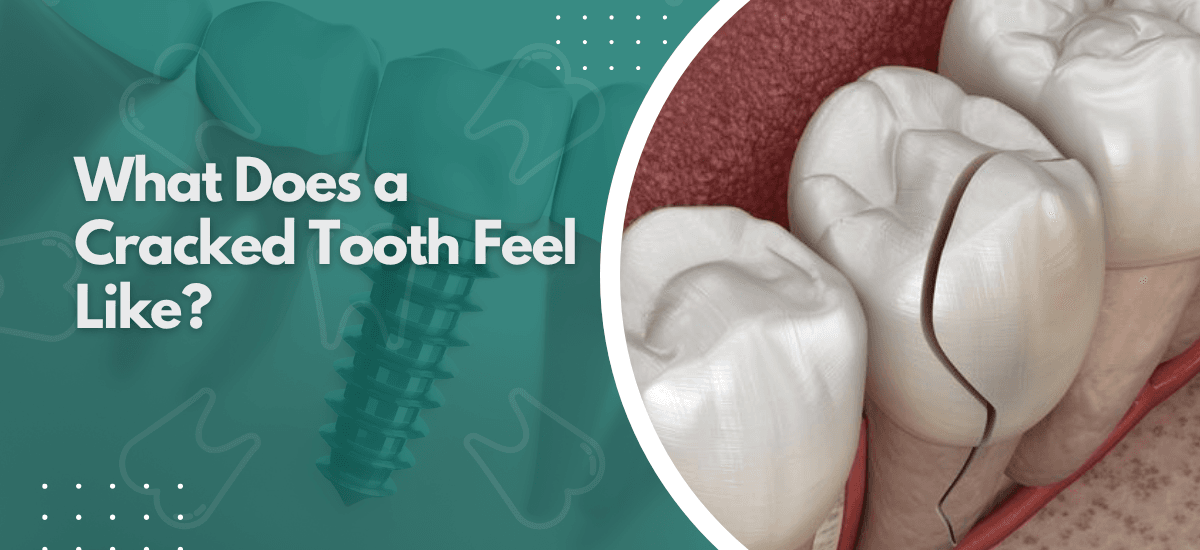
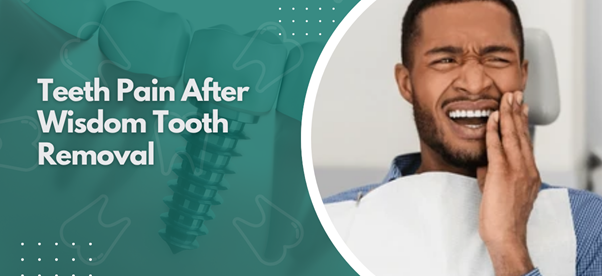
A cracked tooth hits you with sharp, stabbing pain when you bite down or let go of pressure, especially gnawing on hard stuff. Sudden sensitivity to hot or cold pops up out of nowhere, plus this annoying discomfort that comes and goes whenever it feels like it. Pain usually camps out in one tooth but good luck figuring out which one exactly without a dentist in Noida checking it out properly.
Dr. Suhrab Singh, best dentist in Noida with 15,000+ procedures at Neo Dental Care, puts it like this:
“Patients tell me cracked tooth pain is this bizarre on-off thing that drives them nuts. They chomp into food, lightning bolt shoots through their mouth, then vanishes like nothing happened. That crazy unpredictable pattern screams crack to me, and grabbing it early stops it from tunneling deeper into the root.”
Suffering from a cracked tooth? Schedule your consultation at Neo Dental Care today.
What Are the Common Symptoms of a Cracked Tooth?
Cracked teeth don’t exactly announce themselves with fireworks. Sometimes symptoms slide in real slow, leaving you stuck wondering if there’s actually a problem or if your brain’s playing tricks.
- Sharp Pain When Chewing
Biggest red flag? Sudden brutal pain slamming you when you bite down, especially crunching through nuts or ice. Weird part is pain peaks hardest when you release the bite, not while you’re actually chomping. Releasing lets the crack snap shut again, poking at the nerve tucked inside. Catching yourself dodging certain foods or favoring one side of your mouth? Yeah, that’s your body waving a giant warning flag. - Temperature Sensitivity
Hot coffee makes you flinch. Ice water zaps straight through your tooth. Temperature messes with you because the crack carved this tiny highway letting hot and cold race to the inner nerve way faster than normal. Regular sensitivity usually fades quick, but cracked tooth sensitivity hangs around longer and hits harder. Some people clock it getting progressively nastier as the crack maybe digs deeper over time. - Intermittent Discomfort
This is what makes cracked teeth absolutely maddening. Pain doesn’t park itself there 24/7 like cavities or infections pull. It pops in randomly, ghosts for days or weeks, then boom, back again. You’re cruising fine Monday morning, lunch rolls around Tuesday and pain demolishes you for zero obvious reason. That inconsistent nonsense tricks folks into believing the issue magically fixed itself, but cracks never heal solo and typically snowball worse without treatment. - Difficulty Pinpointing Location
You know pain’s happening, but pinpointing exactly which tooth to your dentist? Nightmare. Cracked tooth pain radiates to neighbors or feels like it’s rolling from your whole jaw. The crack could be microscopic enough that regular X-rays miss it completely, making diagnosis a total guessing game. Advanced toys like CBCT scans or special dyes help dentists hunt down these sneaky cracks dodging old-school detection.
Dealing with any mix of these symptoms? Don’t sit around waiting for things spiraling worse. Lock in an appointment at a solid dental clinic because jumping on it early separates saving your tooth with a crown from kissing it goodbye via extraction later.
Dealing with a cracked tooth? Visit Neo Dental Care for expert treatment today.
How Is a Cracked Tooth Different From Other Dental Problems?
Sure, tooth pain universally sucks, but cracked teeth pack this specific signature once you know what you’re hunting for.
- Pain Pattern
Cavities dump constant dull throbbing on you, ramping up with sweets or temp swings. Infections deliver brutal relentless pain refusing to quit, usually dragging swelling along. Cracked teeth though? Pain’s sharp and fleeting, firing specifically from biting pressure and releasing it. That release pain is the smoking gun. Zero other dental disasters mimic that exact feeling, turning it into a massive diagnostic breadcrumb for dentists. - Sensitivity Timing
Standard sensitivity from beat-up enamel or gums backing off creates general achiness with hot-cold foods but runs pretty steady day after day. Cracked tooth sensitivity feels way more random and vicious. Fine one day, next day room-temp water nearly kills you. The chaos stems from how cracks open-close based on pressure shifts, temperature bouncing around, even how you’re positioned while eating or drinking. - Visual Detection
Cavities flash visible dark patches or straight-up holes. Gum disease waves obvious redness and puffiness. Cracks? Sneaky little jerks. Tons of cracks run microscopic, carving vertically down tooth structure where spotting them without magnification or fancy lighting is basically impossible. Some cracks only pop visible when dentists fire up specific tricks like transillumination, blasting bright light through the tooth highlighting the fracture line. - Treatment Approach
Cavities catch fillings, infections demand root canals or antibiotics, gum disease needs deep scrubbing. Cracked teeth want totally different fixes depending how gnarly the crack runs. Baby cracks might just need bonding or a crown clamping everything together. Deeper cracks sliding below the gumline or boring into the root usually spell extraction because sealing them permanently ain’t happening. That’s why catching it early matters crazy amounts, grabbing it while crowns can still rescue the tooth.
Knowing these gaps helps you spell out symptoms clearly when talking to your dentist. Neo Dental Care runs advanced gear including dental microscopes and CBCT imaging nabbing cracks other spots miss entirely, locking you into accurate diagnosis and proper treatment immediately.
|
Comparison Factor |
Cracked Tooth |
Cavity |
Infection/Abscess |
|
Pain Type |
Sharp, intermittent when biting |
Dull, constant throbbing |
Severe, persistent throbbing |
|
Pain Trigger |
Pressure release when chewing |
Sweets, hot/cold foods |
Spontaneous, worsens with touch |
|
Duration |
Brief episodes, comes and goes |
Ongoing until treated |
Constant, doesn’t stop |
|
Sensitivity |
Unpredictable temperature sensitivity |
Consistent sensitivity |
Extreme sensitivity or no response if nerve dead |
|
Visibility |
Often invisible without special tools |
Visible dark spots or holes |
May show swelling or pus |
|
Treatment |
Crown, bonding, or extraction |
Filling or crown |
Root canal or extraction plus antibiotics |
Why Choose Neo Dental Care for Cracked Tooth Treatment?
Dr. Suhrab Singh runs Neo Dental Care packing 12+ years laser-focused on restorative and endodontic work. The clinic’s stacked with dental microscopes cranking up to 25x magnification spotting hairline cracks your naked eye couldn’t touch, CBCT imaging building 3D maps of crack depth and direction, laser tech for surgical precision keeping discomfort minimal. Planted inside Neo Hospital at Sector 50, Noida, the spot maintains NABH accreditation standards. They roll same-day emergency slots for cracked tooth cases, run biocompatible materials for crowns and bonding lasting decades, toss in sedation options for anxious patients. Whether your crack wants a basic patch job or complex root canal therapy, the team’s history with 15,000+ successful procedures guarantees your tooth lands in expert hands.
Wrestling with bizarre tooth pain ghosting in and out? Don’t brush it off hoping it vanishes solo. Hit up +91 97557 12732 today and let our team scope your tooth before a minor crack morphs into a major headache demanding extraction.
Experiencing pain from a cracked tooth? Schedule your appointment at Neo Dental Care today.
Frequently Asked Questions
Nope, tooth enamel can’t regenerate or patch cracks up, even microscopic ones snowball worse without fixes like crowns or bonding.
Pretty urgent, book a dentist within a few days stopping the crack from digging deeper and sparking infection or total fracture.
Not always, some cracks cause zero pain starting out but can flip painful fast as they deepen or bacteria crash the party.
Small vertical cracks usually ghost past standard X-rays, dentists use special lights, dyes, or CBCT scans hunting them down.
References
- American Association of Endodontists. (2023). “Cracked Teeth.” AAE Patient Education Resources. Available at: https://www.aae.org
- National Institute of Dental and Craniofacial Research. (2024). “Tooth Fractures and Cracks.” NIDCR Clinical Guidelines. Available at: https://www.nidcr.nih.gov