
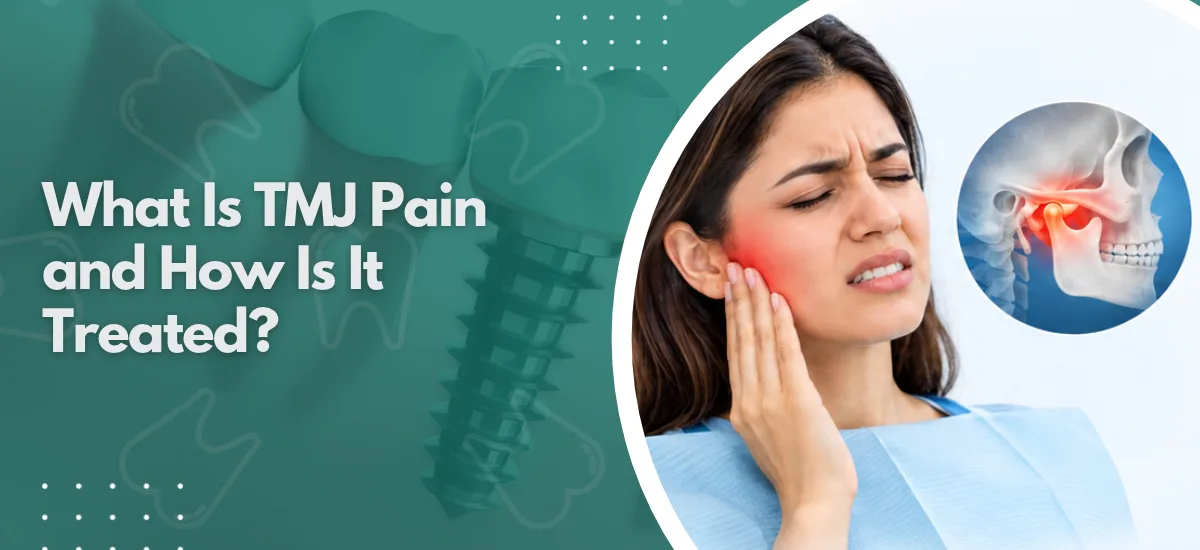
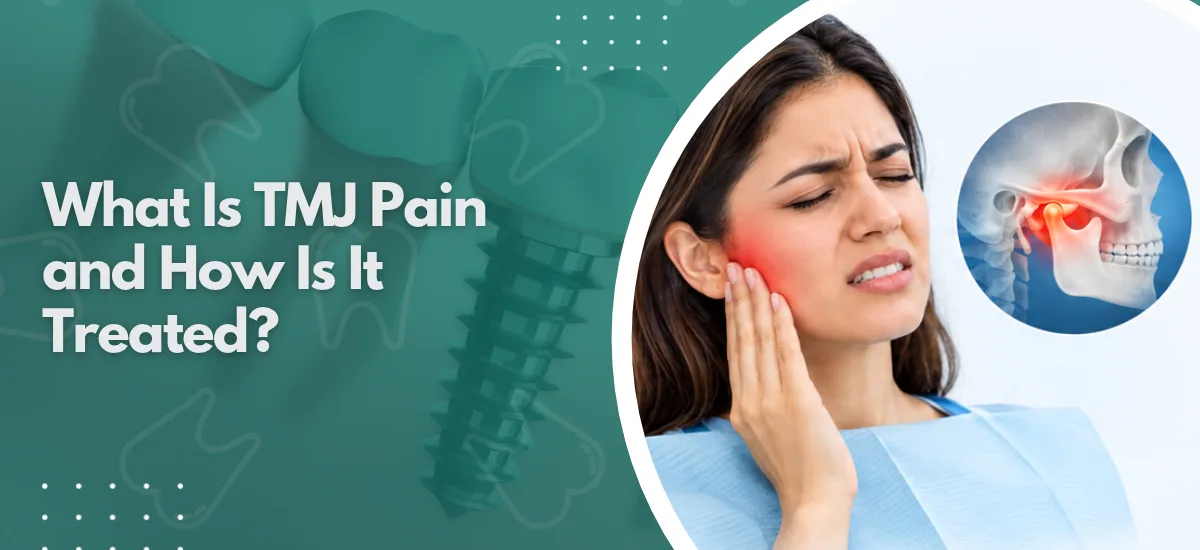
TMJ pain is soreness in the joint that joins your lower jaw to your skull, and in the muscles that work it. There is one joint on each side, just in front of the ear. When it stops moving smoothly, doctors call it a temporomandibular disorder, or TMD. Most cases ease with simple care, so TMJ treatment usually begins without surgery.
According to Dr. Suhrab Singh, Dentist in Noida, “Many people live with a clicking jaw for years without worry. They come in only when it starts to hurt. Jaw pain can come from the bite, the muscles or the joint itself, so I check all three before suggesting a plan.”
What Causes TMJ Pain?
Most people have more than one cause. Muscle strain and joint wear often work together, and each makes the other worse. Finding the main one matters, because treatment follows it.
- Teeth Grinding: Grinding or clenching at night keeps the jaw muscles tight for many hours.
- Joint Wear or Injury: A knock to the jaw or arthritis can damage the disc or bone inside the joint.
- Bite Problems: Teeth that meet unevenly make the jaw work harder with each bite.
- Stress and Habits: Tension, nail biting and long spells of gum chewing tire the same muscles.
Grinding is a common trigger, and it wears down teeth too. This blog on what bruxism is and how it damages teeth shows what to look for.
What Are the Signs of TMJ Pain?
Signs can show up on one side or both. They come and go, and often flare in a stressful week. They differ from person to person. Pain beyond two weeks is worth getting checked by a dentist.
- Jaw Ache: A dull pain near the ear or cheek that gets worse when you chew.
- Clicking or Popping: Noises as you open or close, sometimes with a catch.
- Limited Opening: The jaw feels stiff, or it locks open or shut.
- Headaches and Ear Pain: Pain at the temples or ear when there is no infection.
Jaw pain can also follow dental work, so timing matters. This blog on jaw pain after wisdom tooth extraction shows how that pain differs.
How Is TMJ Pain Treated?
The right TMJ treatment depends on the cause and how bad the pain is. Doctors start with the gentlest option and step up only if needed. Jaw joint pain treatment usually runs in this order. Many people feel better within a few weeks of starting.
- Self-Care: Eat soft foods, use warm packs and avoid wide yawns. Skip gum for a while, too.
- Night Guard: A custom splint takes the force off the joint while you sleep.
- Exercises and Therapy: Gentle stretches and physiotherapy loosen tight muscles.
- Medicines and Injections: Short courses of painkillers or muscle relaxants ease a flare-up. Surgery is rarely needed.
If an uneven bite is part of the cause, it may need correcting. This blog on what an open bite is and how it affects chewing describes one such bite problem.
Key Takeaways: TMJ pain is pain in the jaw joint and the muscles around it. Grinding, joint wear, an uneven bite and stress are the usual causes. Clicking, jaw ache and a stiff jaw are common signs. Most people improve with rest, a night guard and gentle exercises. Surgery is a last resort. See a dentist if pain lasts beyond two weeks or the jaw locks.
Frequently Asked Questions
Mild cases often settle in a few weeks with rest and soft foods. Pain that keeps returning needs a check.
It is rarely dangerous, but it can affect eating and sleep. A locked jaw needs prompt attention.
A dentist is usually the first stop. Some cases also involve a physiotherapist or an oral surgeon.
It does not cure it, but it protects the teeth and eases strain on the joint.
Disclaimer
This blog is for educational purposes only and is not a substitute for a professional dental evaluation.